Imperial stops accepting money for research that propagates fossil fuel extraction
Students will play a role in assessing collaborators' net zero commitments.

Imperial announced yesterday that it would no longer accept money for research or educational activities ‘directed at propagating the existing [fossil fuel] extraction business’.
The College will determine its engagement with energy and fossil fuel companies using its new Imperial Zero Index, a framework that it will use to perform annual assessments of its energy-industry collaborators.
Student representatives will be involved in the process, which will evaluate partners against a set of key criteria: commitment to net zero, reduction targets, lobbying position, corporate strategy, finance, operations, and emissions & reporting.
Imperial says it ‘expects to disengage from academic and research collaborations with companies that score poorly’ against its criteria. The index will also inform its investments.
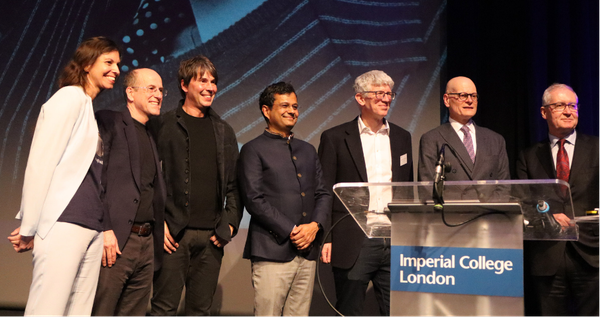
“We want the world to have a sustainable, zero pollution future and as one of the world’s top universities, we have the power to help make that a reality,” said Professor Mary Ryan, Vice-Provost (Research and Enterprise).
Ryan is Co-Director of the Shell-Imperial AIMS Centre, which researches corrosion for oil-and-gas giant Shell.