Mastering meal prepping
A simple habit that saves time, money, and energy.
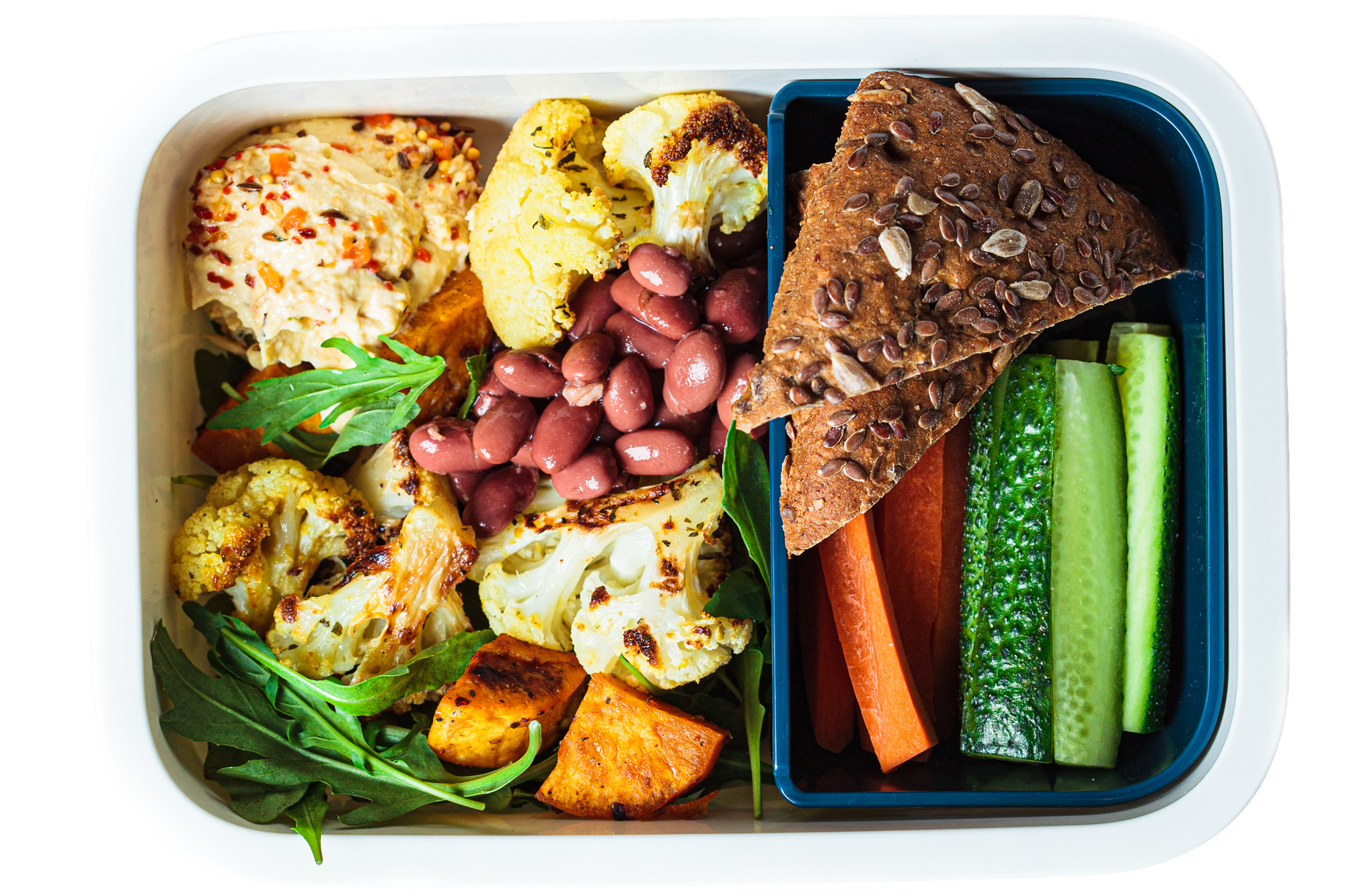
For me, starting meal prepping was a complete game-changer. During my first term as a university student, I often bought meal deals every day or ate out with friends. This worked for a while–until one day, I checked my bank account and was shocked by how much money I was spending on food each month.
The obvious solution was to start cooking. The problem, however, was not a lack of skill but, rather a lack of time. I knew how to cook, but I did not enjoy spending hours in the kitchen every day. While searching online for tips on saving money on food, I came across a now-viral concept known as “meal prepping.”
Meal prepping is a method of preparing multiple portions of food in a single cooking session and storing them in the fridge or freezer for later use. This approach saves both time and money. Cooking four or five portions at once usually takes a little more time than cooking just one. Additionally, buying ingredients in larger quantities is often more affordable than purchasing them in smaller portions.
"Cooking four or five portions at once usually takes a little more time than cooking just one."
For example, at Sainsbury’s, a 600g pack of Scottish salmon fillet costs £10.60, which is approximately £17.67 per kilogram. In contrast, a 240g pack costs £4.45, or about £18.54 per kilogram. While the difference may seem small, as the saying goes, many a little makes a mickle, especially for students living on a tight budget.
Meal prepping also had a positive impact on my health. Before I started, most of my meals were processed, making it difficult to track how much protein, carbohydrates, and fibre I was consuming. By preparing my own food, I gained full control over my ingredients and portion sizes. As a result, I reduced my intake of salt and sugar and increased my consumption of fibre and protein, which significantly improved my overall diet and gut health.
For beginners, I recommend starting with simple recipes found on YouTube meal-prepping channels such as Chef Jack Ovens and Doobydobap. In many cases, a recipe designed for one person can easily be multiplied to serve four or five. After cooking, it is important to let the food cool before storing it, as this helps prevent bacterial growth. I usually keep the portions I plan to eat within two days in the fridge and freeze the rest.
To maintain a good texture when reheating, I suggest using slightly less water during the initial cooking process and adding a small amount when microwaving. This helps keep the meal moist without making it bland.
Since most meal-prepped dishes can be stored in the freezer for up to three weeks, I often prepare more than one type of meal to avoid getting bored with eating the same food. Meal prepping is also ideal for busy days when cooking or ordering food feels like too much effort. Simply grab a prepared meal and go.
What started as a cost-saving method has now become a hobby I genuinely enjoy. From searching for new recipes to grocery shopping and cooking, meal prepping has turned into a rewarding part of my routine. I hope more students give this method a try and discover how much time, money, and energy it can save during a busy Imperial term.