Minneapolis is its own event.
There is a danger in collapsing distinct violences into a single moral language.

This past month, Minneapolis has erupted in protests after the fatal shootings of Renée Good and Alex Pretti by federal immigration agents. Against this backdrop of outrage and fear, a flurry of commentators has reached for global metaphors in an effort to interpret the unrest. On Instagram, the artist Macklemore wrote, “Gaza and Minneapolis are not separate stories.” Elsewhere, others have drawn comparisons as far afield as Nazi Germany to capture the intensity of the events.
In response to moral disorientation, we often grasp for language that helps us make sense of our surroundings. This often comes in the form of comparisons. But as much as borrowing the vocabulary of other conflicts draws necessary attention to them, it simultaneously diminishes our capacity to understand the full context of what is happening in the Twin Cities.
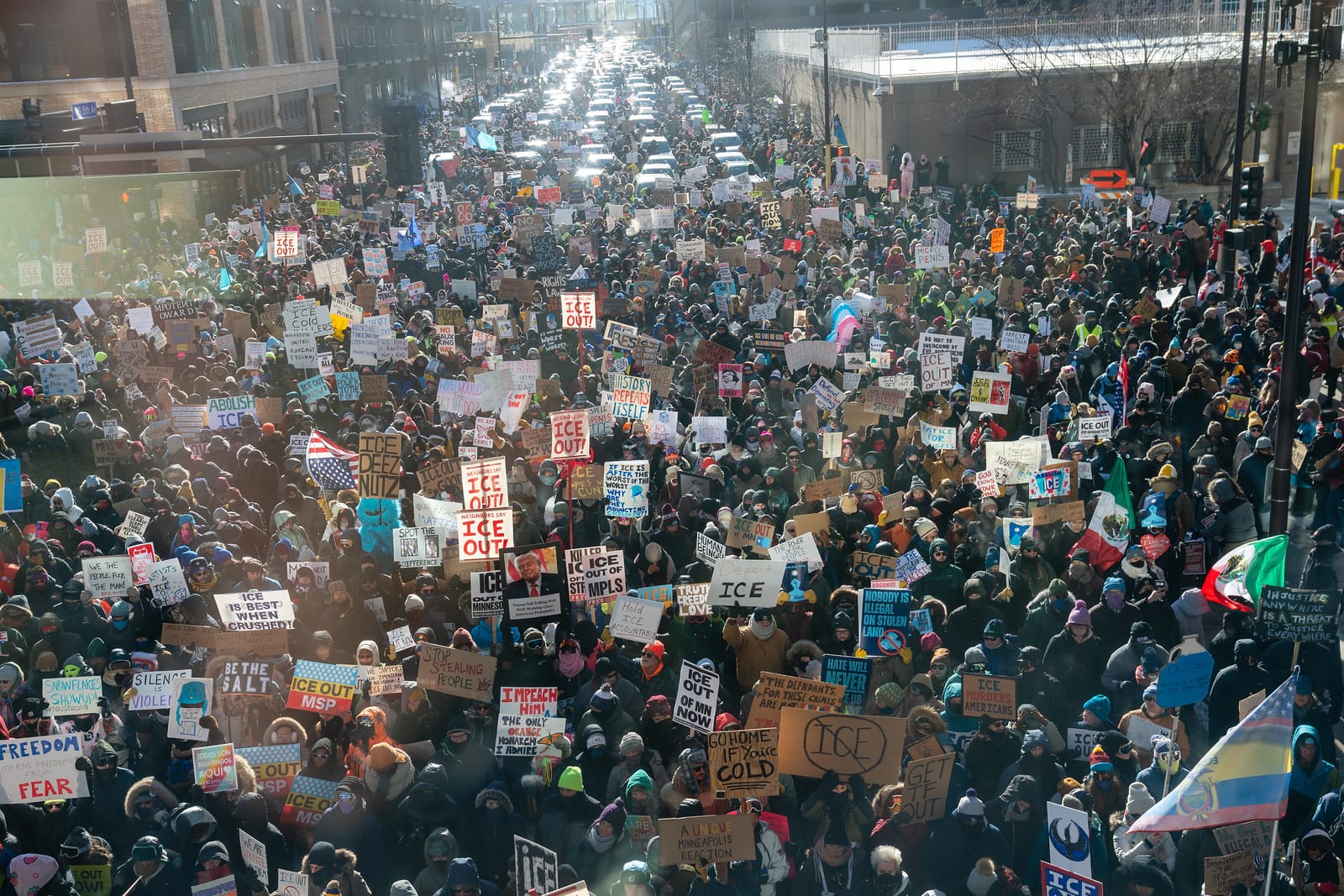
Importantly, what is unfolding in Minneapolis – and across the United States through Immigration and Customs Enforcement (ICE) – deserves to be interrogated on its own terms rather than refracted through borrowed analogies.
The actions of ICE have undeniably produced a climate of fear. By midDecember of 2025, nearly 70,000 people were being held in ICE detention facilities; many of these detainees were children, and the majority had no criminal records. It has become routine to hear news of ICE’s warrantless home entries, raids marked by racial profiling, and escalating deaths in custody.
This is authoritarian violence. What it is not, however, is interchangeable with every other instance of repression across the globe. Analogies often serve as rhetorical shortcuts, and while they may feel morally satisfying, they are analytically fragile. They obscure the specific political, legal, and historical conditions that enable each system of violence to function, thereby making it harder to dismantle.
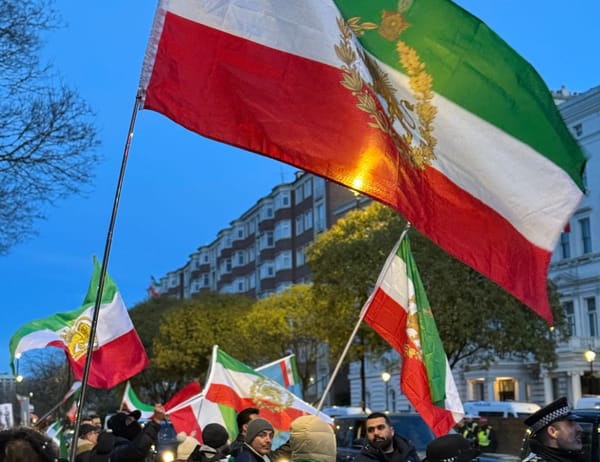
It is true that we see familiar patterns of violence across the world. We were told that federal agents shot Alex Pretti in defence, similar to how civilians in the Middle East are murdered in the name of defence. In Iran and Venezuela, we have also seen how opposition parties can be banned, and protests can be criminalised.
The architecture may resemble itself across borders, but it does not reproduce itself identically. For this reason, comparison between events remains counterproductive. These events are significant reminders of which parts of history we should not repeat, but when we treat everything as “the same,” nothing is understood deeply enough to be confronted effectively.
What is happening in Minneapolis is embedded in American institutions and legal frameworks, so it should be treated as its own event. It is a reality and a tragedy that deserves its own language.