Money, money, money: Imperial raised record £97.5 million in philanthropic donations

The university has raised £97.5 million in philanthropic donations between August 2025 – July 2026, the most ever in a single financial year. It marks a 26% increase from the previous year’s £77.5 million in donations as the university continues to attract private funding for research and student support.
In the previous financial year, philanthropic donations totalled £77.5 million, equivalent to approximately 5.2% of Imperial’s £1.49 billion institutional income. The university reported a £98 million surplus in 2024-25.
More than 80% of donors were Imperial alumni, donating a total of £9 million (~9% of total).
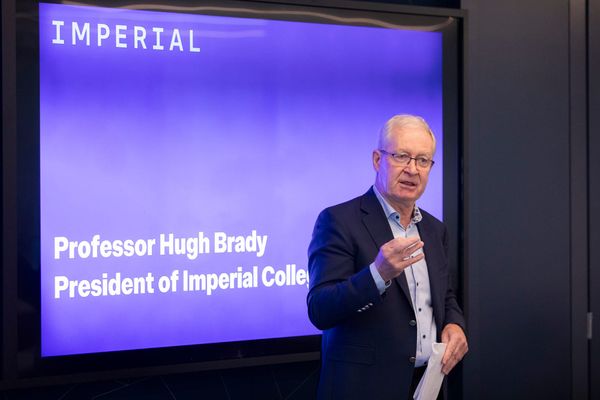
Donations have been put towards a wide variety of initiatives with the goal of fostering “an environment where scientific imagination and discovery can flourish,” says Professor Hugh Brady, President of Imperial College.
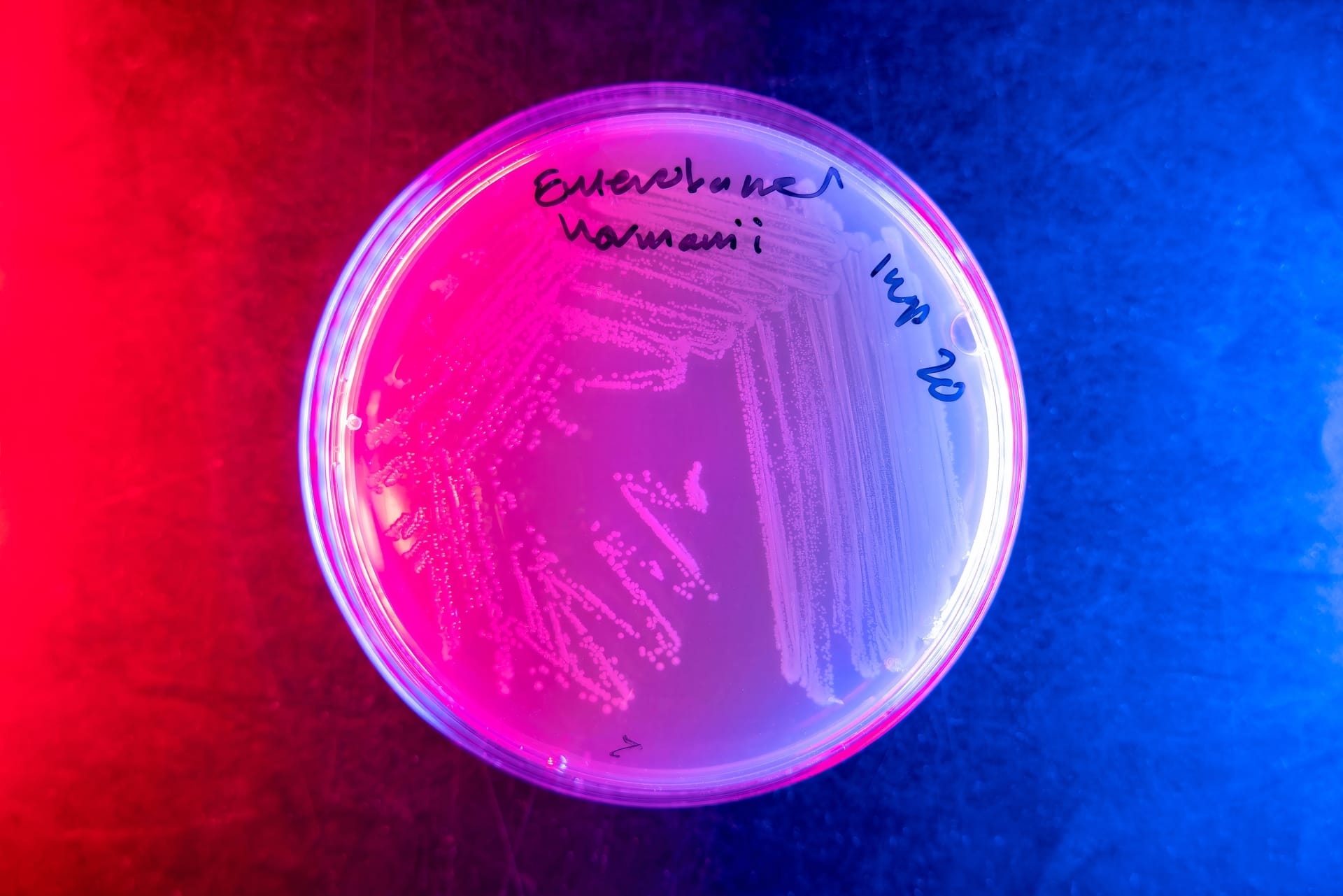
More than £44 million have been donated to advance research initiatives, representing 45% of the total donations. Some projects that will benefit from these donations include the new Professorship in Health Emergencies at the Fleming Initiative, due to open in 2028. The Centre was founded as a partnership between Imperial College London and Imperial College Healthcare NHS Trust to build solutions to antibiotic resistance, where laboratory research is combined with co-designing solutions with patients and policymakers.
Mental health research is also being supported. The Imperial Centre for Interventional Psychiatry and Psychedelic Research has received a donation from The Cadogan Charity that can support the next decade of research at the Centre by financing early career researchers.
Silwood Park Campus received £11.34 million in November 2025 from the Michael Uren Foundation to build a new controlled environment research facility, allowing research on how impacts such as climate change affect organisms in models of their natural habitat.
Over £15 million were donated toward scholarships and student support. Global investment manager Qube Research & Technologies provided a donation that will finance 20 full PhD scholarships and the new Imperial x QRT Labs, a research center founded in collaboration with Oxford and Cambridge that launched earlier this year.