This week, Science needs your help
Funds urgently needed for Liverpool University student's brain cancer treatment

Alex Warwick, a 23-year-old medical student at the University of Liverpool, was ordering a takeaway whilst on FaceTime with a friend last May when his speech began to change. Just hours after telling his housemates he wasn’t feeling well, he was rushed to the hospital and taken into emergency surgery.
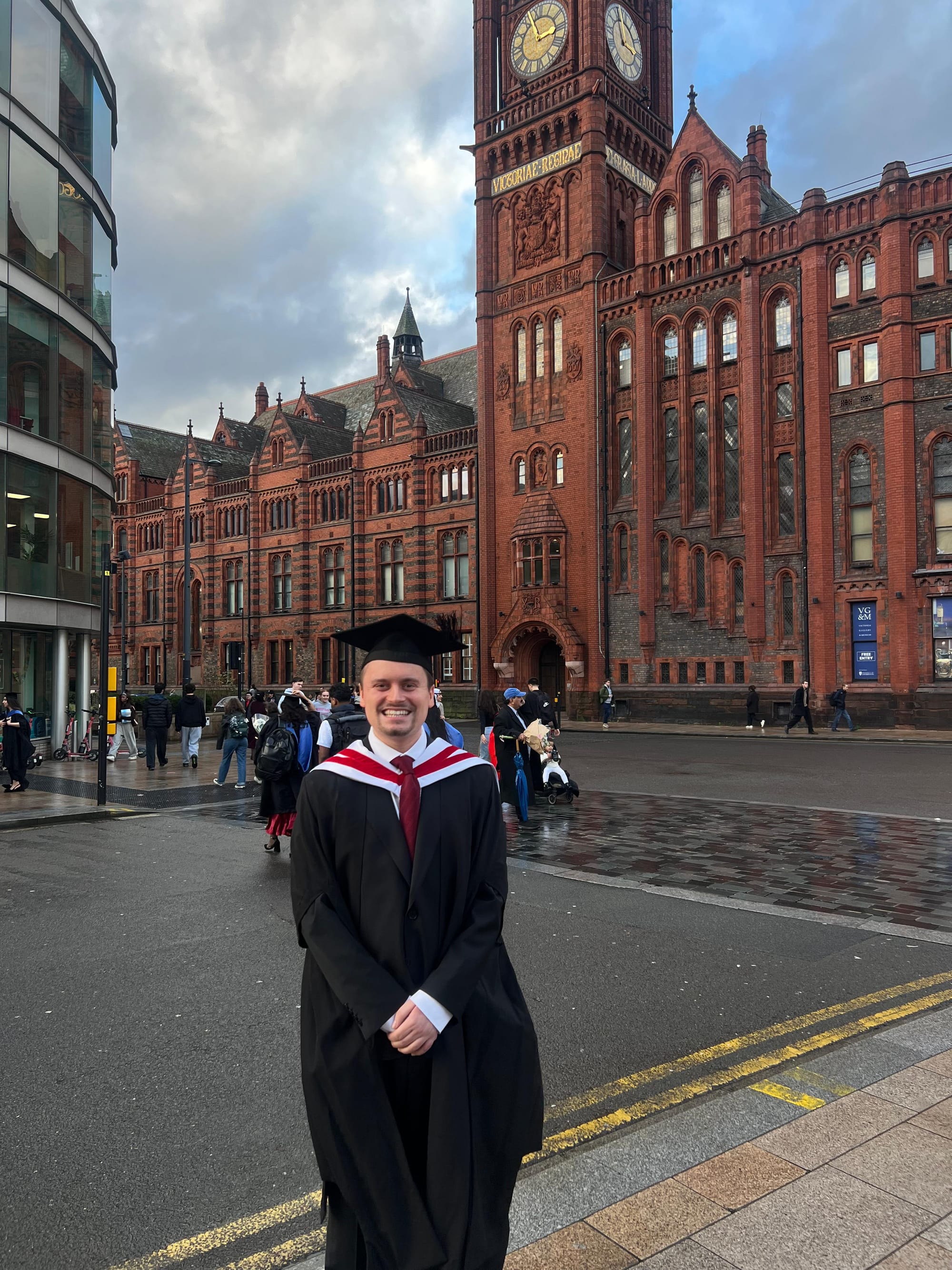
Alex’s parents drove through the night to Liverpool to be delivered the devastating news that their youngest son had an incredibly rare stage 4 malignant brain tumour. Whilst a large portion of the tumour was removed in surgery, aggressive treatment would be required to remove the rest and give Alex a chance at survival.
With time running out for him to access treatment, reaching the fundraising goal becomes more urgent every day.
Raised in North London to two state school teacher parents, attending Archer Academy and Woodhouse College, Alex was living a healthy, normal life until the day of his diagnosis.
Around 12,000 people are diagnosed with a brain tumour in the UK every year.
There have been few meaningful advances in treatments for brain tumours in recent decades. Reaching tumour cells in the brain is significantly more complex than treating cancers in other parts of the body – the blood-brain barrier renders most chemotherapy ineffective, and patients suffer severe side effects as treatments like radiotherapy render healthy brain tissue as collateral damage.
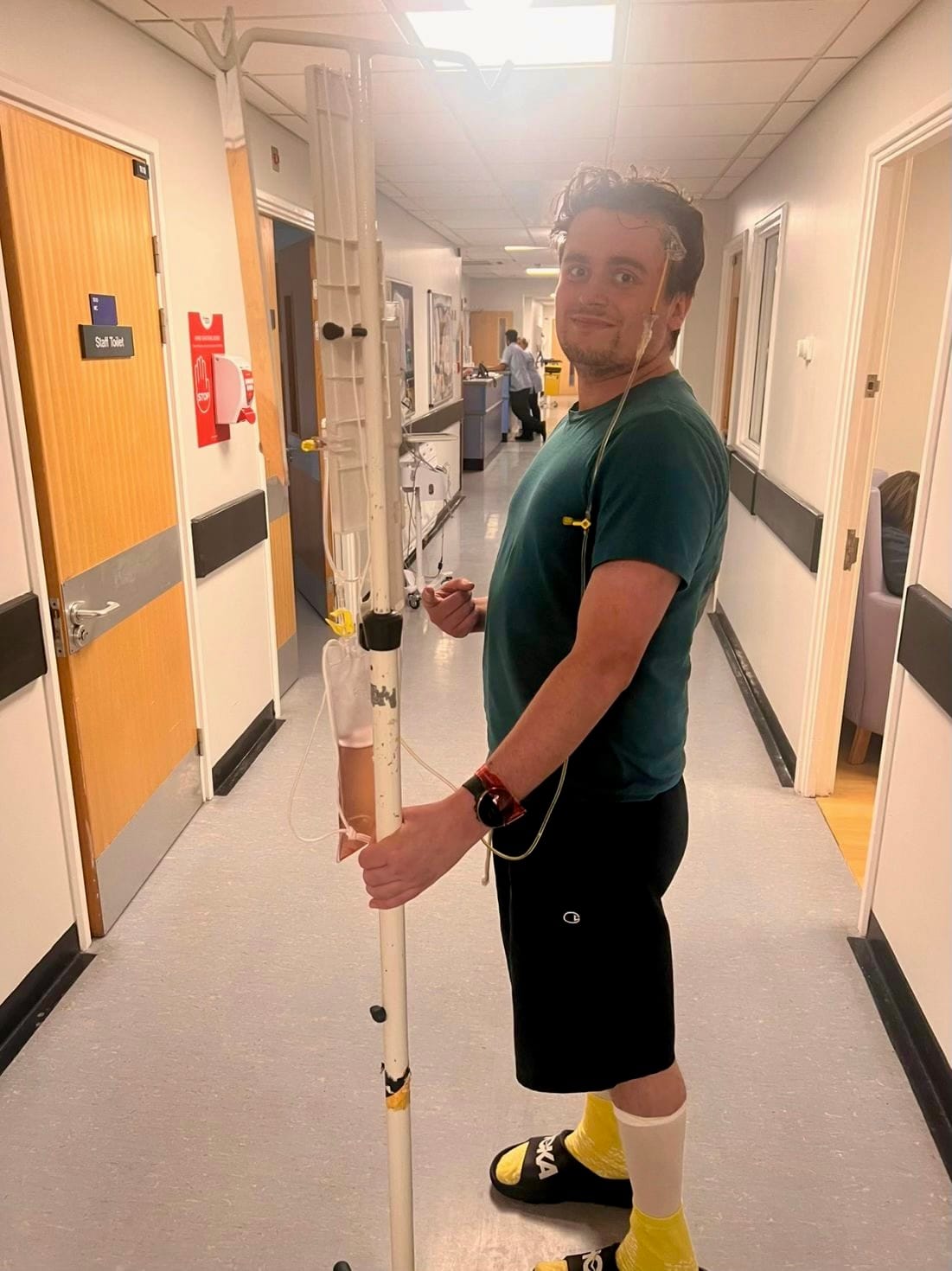
After undergoing radiotherapy and chemotherapy with promising initial results, Alex has come to the end of his treatment options under the NHS.
Cutting-edge immunotherapy treatment in Germany might be his only hope. By training the patient’s immune system to target cancer cells’ tumour antigens, immunotherapy seeks to do what more traditional approaches cannot: overcome the blood-brain barrier, prevent damage to healthy brain tissue, and adapt to mutations of cancer cells over time.
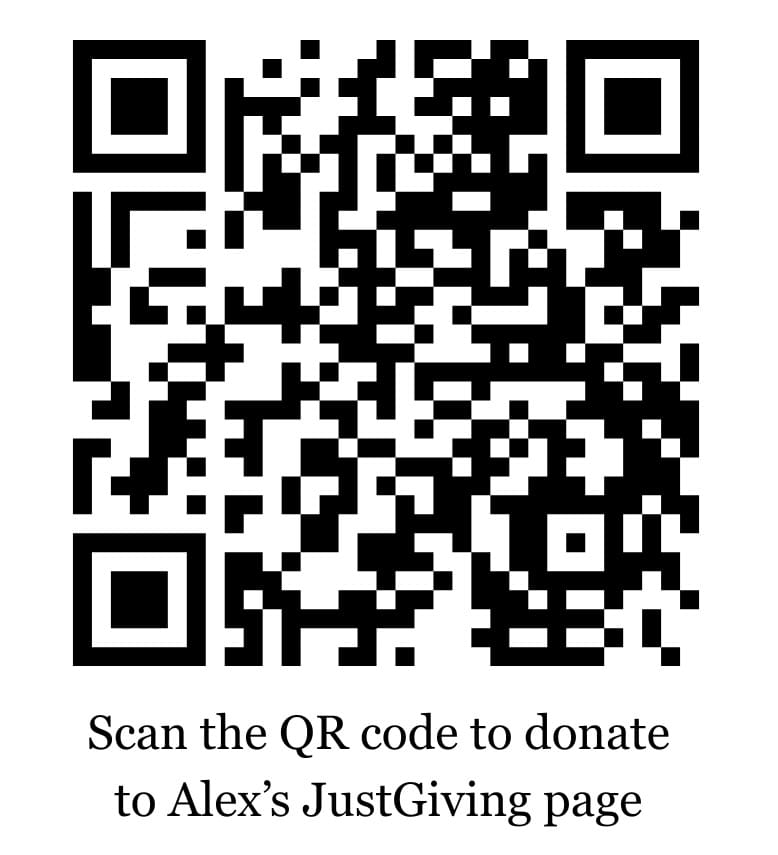
Estimated costs of multiple rounds of treatment, insurance, and travel add up to £200,000. To raise these funds, Alex’s family set up a JustGiving page in December, which you can access through the link or the QR code below. Less than a month later, the fundraiser reached its halfway mark with over 2,700 people sending donations.
“Despite everything, Alex is so resilient, and has managed to maintain his sense of humour, positivity, and charm throughout all of this,” Alex’s sister Elya told Felix.
She added, “We’ve all been so moved by the influx of support from our friends, family, and so many strangers who have donated and written such touching messages.”
Alex was given a prognosis of 12 to 18 months when he was diagnosed in May. With time running out for him to access treatment, reaching the fundraising goal becomes more urgent every day.
If you would like to support Alex’s cause, you can scan the QR code on this page. Before you donate, please read JustGiving’s terms of service.