What does sustainability mean for young professionals?
An Imperial alum's perspective on how we should apply sustainability to our careers.
We live in a world in which we continue to see poverty, injustice and inequality in society and at a time when groups of people, especially in the Global South, are at increasing risk of being severely affected by extreme weather events, the withdrawal of international aid and assistance, conflicts and economic pressures. The events which have dominated the news at the start of 2026 are a clear signal that we are living through complicated times; the withdrawal of support and funding for long-standing international agreements on the part of political leaders illustrate the focus on managing short-term interests, thereby placing the global sustainability agenda at risk. The topic of the changing environment and the need for action in relation to the climate crisis is still on the agenda but the social aspects of such issues, notably in relation to human rights, need greater attention. While topics like child trafficking and exploitation or the withdrawal of international funding for local education and health programmes in Africa are discussed, they are dominated by political narratives in the media.
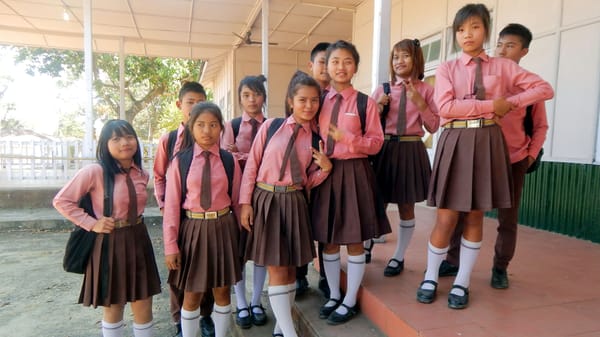
We are creating a future which will not "meet the needs of the present without compromising the ability of future generations to meet their own needs" – the Brundtland definition of sustainability. Groups in society – including children across the world – are being impacted by the unilateral decisions of powerful political and corporate leaders. Save the Children, an international children’s charity, identifies the risks to children at the frontlines of the climate crisis, and the evidence is there to assess the risk; in 2024, at least 242 million students in 85 countries had their schooling disrupted by extreme climate events including heatwaves, tropical cyclones, storms, floods and droughts. Heatwaves were the predominant climate hazard shuttering schools, affecting over 118 million students in April of the same year, and in May, temperatures reached 116 degrees Fahrenheit in parts of South Asia, placing children at risk of heat stroke.
It is not only the environment that presents risks to children. Social media presents risks to children. Take the use of technology: it provides great opportunities to further the drive towards a new economy. However, unethical use of technology presents certain risks to children; the Internet Watch Foundation, a charity, has discovered criminal imagery of girls between 11 and 13 which appears to have been created by an AI tool on a certain globally utilised social media platform. The Global North is only now identifying the risks of tech to mental health and child safeguarding. Ethical use of technology needs international cooperation to ensure the risks to children are proactively managed.
In all regards, we, as professionals, need to help make the decision-making of organisations fully transparent and accountable. When leaders measure success only in financial terms, there is a danger that decisions are being made to satisfy short-term, shareholder interests at the expense of proactively addressing long-term risks to our society and environment.
At the Grantham Institute keynote address last year, Dr. Gro Harlem Brundtland reflected upon the “urgency of strengthening inclusive, rules-based multilateralism” in the context of securing “a liveable future on our planet,” and addressed the need for leadership in “reinforcing the rule of law and protecting human rights” and arguing that renewed cooperation is “not only possible – but essential.”
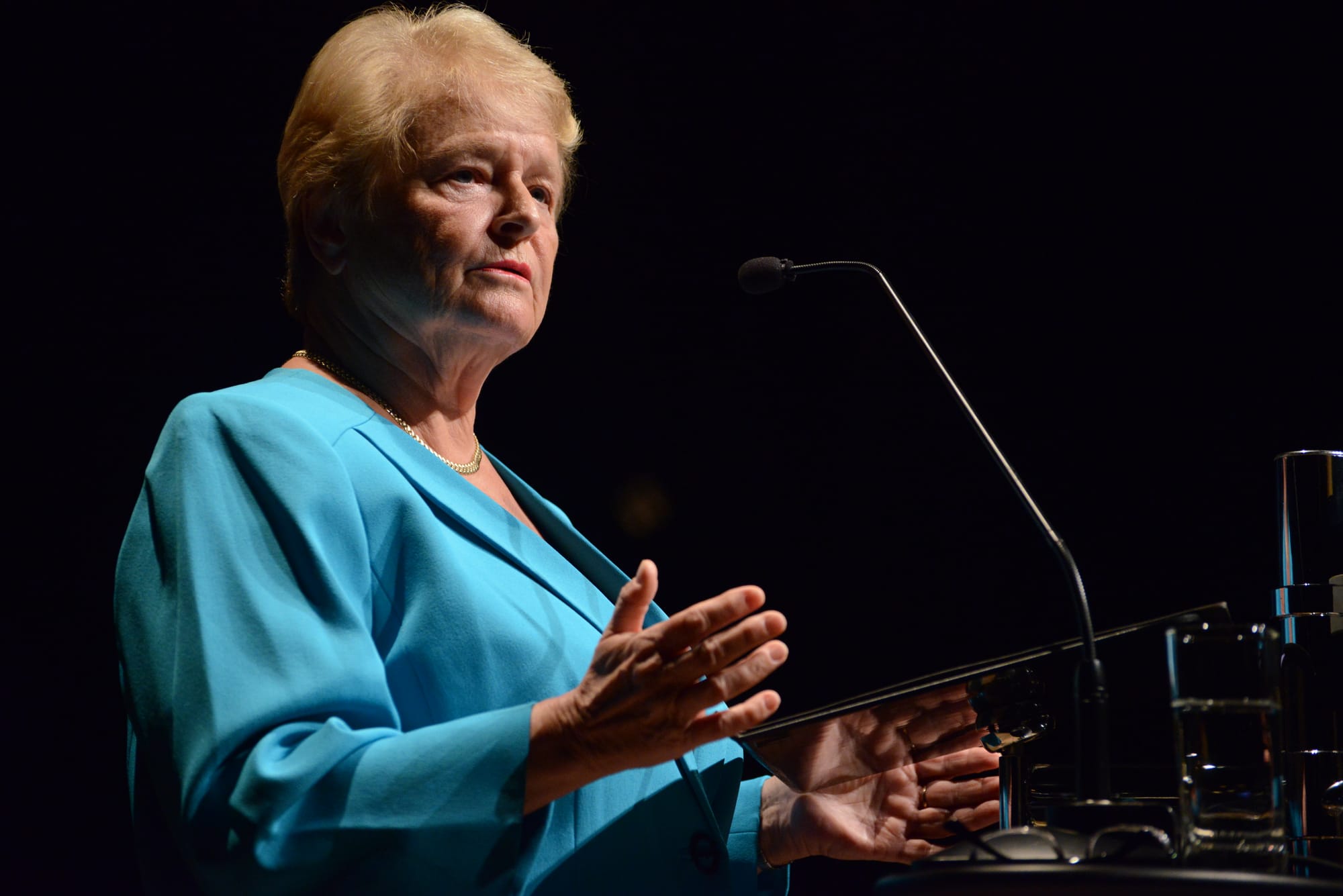
While you may be studying only a specific field, the decisions you make will impact society and the environment in some way. The greatest challenge for us as professionals seeking to further the sustainability agenda is to work together in international, multi-disciplinary, teams to converge our efforts in understanding the real risks to people and the planet – if we do so as part of Imperial’s international community, we can create the shared common future Dr. Gro Harlem Brundtland speaks of in creating a world in which our decisions do not harm the environment or future generations. This is a call to action. “As long as poverty, injustice and gross inequality persist in our world, none of us can truly rest.” – Nelson Mandela.
Anita Punwani, Civil Engineering 1988, MBA 1992, Co-Chair, Imperial College Sustainability Alumni Network