Why hedge funds are suddenly buying Venezuela’s “unpayable” debt
As a window of enforceability opens, the country’s most valuable assets are not oil fields or factories, but unpaid claims.
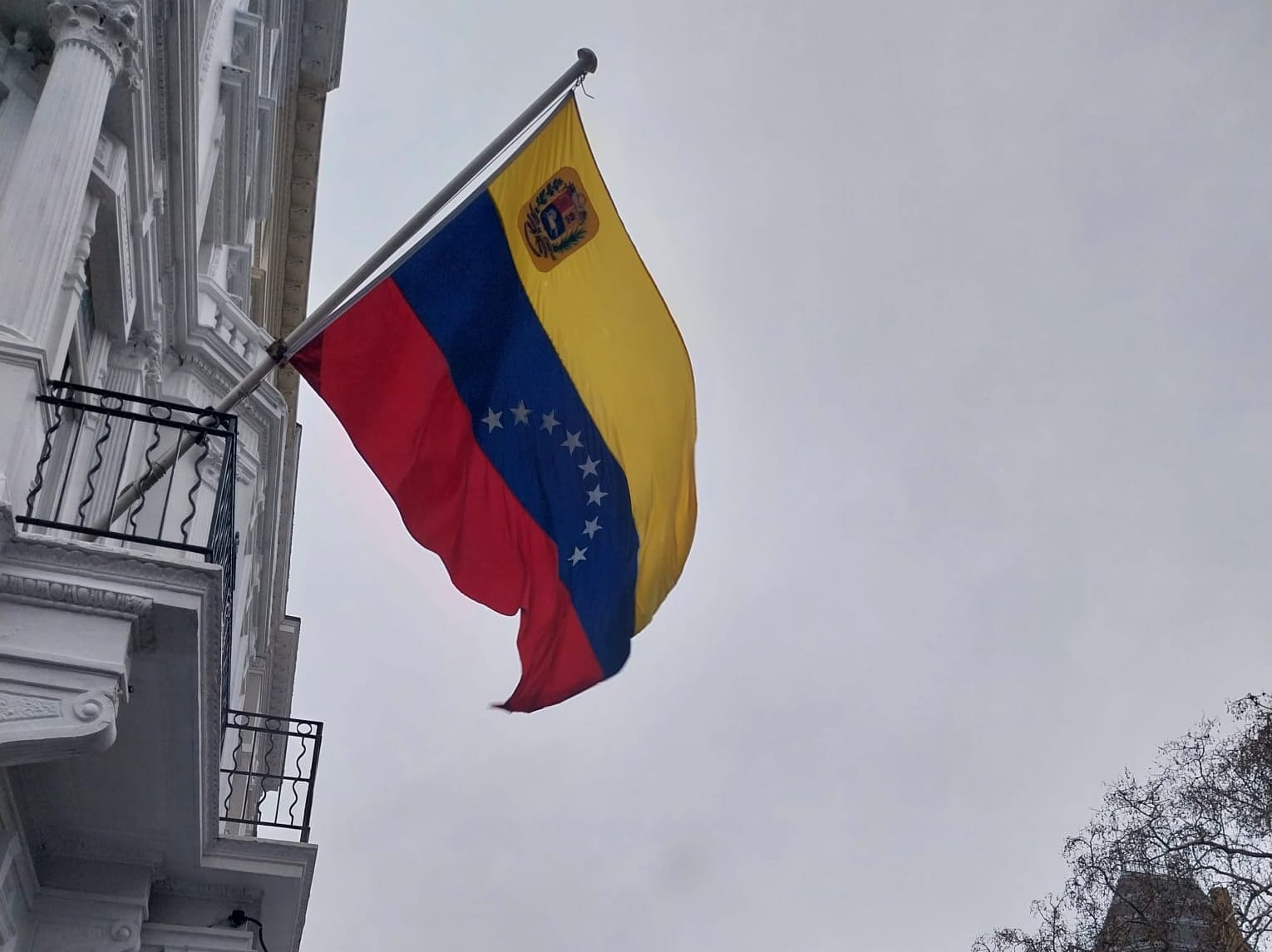
For most of the past decade, Venezuela’s unpaid financial claims have existed in legal limbo: valid on paper, worthless in practice. Sovereign bonds, arbitration awards and expropriation claims accrued interest while sanctions, litigation and political risk made recovery implausible.
The removal of Nicolás Maduro from power has not resolved those constraints, but it has changed how investors think about them. Bonds and other claims that had been priced for perpetual non-payment rallied sharply as markets recalibrated the likelihood of viable recovery pathways. Hedge funds have been among the first to interpret this as a shift in the enforceability horizon, repositioning around instruments long confined to the distressed corner of sovereign debt markets.
When the probability of enforceable settlement rises, even marginally, the upside on deeply discounted claims can be substantial.
This activity is not a bet on Venezuela’s return to normal creditworthiness. It reflects a narrower reassessment of defaulted claims in a context where political risk is being priced differently. Traditional sovereign bonds remain deeply distressed, but it is the more esoteric claims – arbitration awards, promissory notes and receivables tied to past expropriations – that have drawn specialist interest. These instruments are illiquid, fragmented and poorly understood, characteristics that deter conventional investors but attract funds that specialise in extracting value from legal and structural complexity.
The logic is straightforward. When the probability of enforceable settlement rises, even marginally, the upside on deeply discounted claims can be substantial. Many of these assets trace back to expropriations under the Chávez era and have already passed through lengthy arbitration processes, producing sizeable awards against the Venezuelan state or its oil company, PDVSA. Hedge funds such as Carronade Capital and Canaima Capital have been notably active in tracking and acquiring such assets, anticipating that a political transition will eventually make negotiation or enforcement more feasible.
Market prices have responded accordingly. Venezuelan bonds issued by both the sovereign and PDVSA have rallied to levels unseen since default, as investors reassess outcomes that were previously considered implausible. Bondholder groups are now forming creditor committees, positioning for restructuring talks once the necessary authorisations are obtained, though sanctions remain a binding constraint.
Sanctions are central to any sober assessment. While political developments have triggered repricing, the underlying legal and regulatory architecture remains largely intact. U.S. sanctions on Venezuelan debt and PDVSA, administered by the Treasury’s Office of Foreign Assets Control, still restrict most dealings unless specific licences are granted.
The Trump administration has moved quickly to shape how any Venezuelan oil revenues are handled, issuing executive orders designed to shield U.S.-held proceeds from seizure while broader sanctions policy remains unresolved. Whether recent mark-to-market gains translate into realised returns will depend on the interaction between political recognition, OFAC authorisations, compliance constraints, and White House policy.
Oil, long the linchpin of Venezuela’s economy, adds another layer of opportunity and risk. The United States has signalled its intention to receive Venezuelan crude in the near term, and trading houses have begun securing export contracts that imply more predictable revenue flows than before. But operational realities remain unforgiving. Infrastructure is degraded, technical capacity has eroded and meaningful production increases require substantial capital investment. Any oil-driven recovery is therefore a multi-year prospect. At the same time, Washington’s political priorities will shape who is allowed to participate. Public signals from the administration suggest that access for U.S. firms may be conditioned on strategic alignment – a reminder that political capital matters alongside financial capital.
In sovereign markets, optimism is rarely the catalyst. Permission is.
The result is a familiar paradox. Markets are rallying on the possibility of restructuring and enforceability, while the mechanics of delivery remain opaque and contingent. The rebuilding of fiscal institutions, the sequencing of sanctions relief and the routinisation of creditor negotiations all lie well beyond the short-term horizon implied by recent price moves. Early entrants are not making macro bets on growth. They are placing asymmetric wagers on shifts in legal and political conditions that could turn distressed claims into tradable assets with real recovery value.
In sovereign markets, optimism is rarely the catalyst. Permission is. Venezuela has not regained credibility, stability or institutional strength. What it has regained – tentatively – is the possibility that old obligations may become legally arguable again. For capital that specialises in distress, that thin sliver of enforceability is often enough.