Kermit-ted to helping out
Frog proteins could help treat cancer, diabetes, stroke and transplant patients
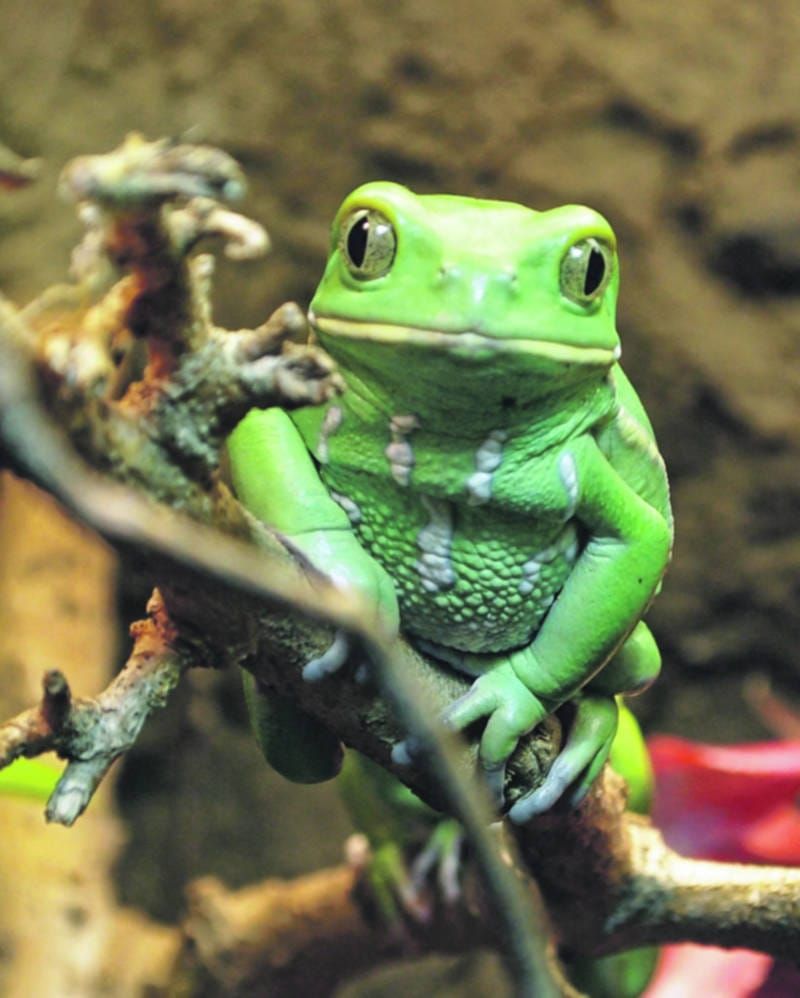
Scientists at Queen’s University Belfast have discovered proteins in frog skins that could be used to treat cancer, diabetes, stroke and transplant patients by regulating the growth of blood vessels.
The research identified two proteins that can be used in a controlled and targeted way to regulate angiogenesis – the process by which blood vessels grow in the body. The proteins, found in secretions on the skins of the Waxy Monkey Frog and the Giant Firebellied Toad, have the ability to either stimulate or inhibit the growth of blood vessels.
Most cancer tumours can only grow to a certain size before they need blood vessels to grow into the tumour to supply it with vital oxygen and nutrients. By ‘switching off’ angiogenesis and inhibiting blood vessel growth, the Waxy Monkey Frog protein has the potential to kill cancer tumours.
Meanwhile, a protein from the Giant Firebellied Toad is able to stimulate blood vessel growth. This has the potential to treat an array of diseases and conditions that require blood vessels to repair quickly, such as wound healing, organ transplants and strokes.