Dominica’s hurricane disaster
Imperial student documents the devastation Hurricane Maria left on Dominica.
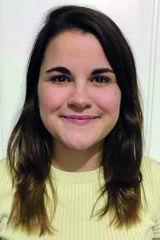
"I don’t know if I’m so tired or have grown used to the wind that it now has become the norm to hear utter destruction in the background but I feel like I’m in a dream. I feel like I woke up today in a dimension that was far removed from the island I know and I will be more certain of that later today when the sun comes up and my home is unrecognizable.”– Jeanelle Brisbane, at 12.18am on Tuesday the 19th September.
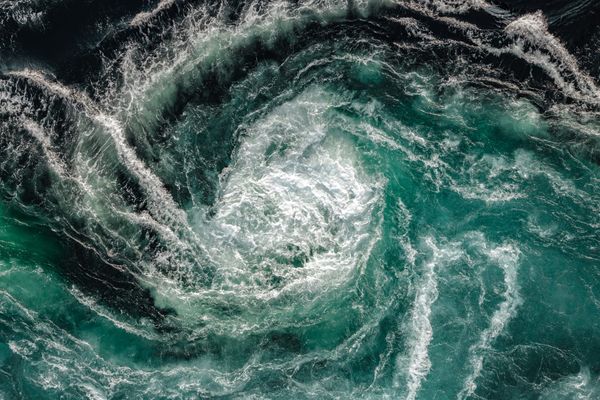
The extract above was taken from a journal written during the night that Hurricane Maria hit Dominica, the third largest English-speaking island in the Caribbean. Now confirmed as the worst natural disaster the country has on record, Hurricane Maria took the inhabitants of Dominica, including Jeanelle and her family, by surprise. The eye of the storm, where the severest of weather and winds occur, was predicted to pass safely around the north shore of the island, but instead travelled directly across the country, ransacking communities and ecosystems as it passed.
Fundraising began swiftly after the hurricane took place, seeking to provide food and aid to those in communities affected by the storms. At Imperial’s Silwood Campus, a Christmas Drive was undertaken to collect toys for the children of Dominica. The Drive was organised by Jeanelle, who is a master’s student at Imperial, in order to spread happiness to her home that she had to witness change so dramatically.
An advocate for conservation, Jeanelle now turns to working on implementing a conservation action plan for Dominica. Prior to September, Dominica was two-thirds virgin forest, meaning that the ecological niches and communities there are of immense intrinsic value. After the hurricane, sightings of Dominica’s rare species become vital in confirming Dominica’s ability to heal, as nearly the entire island was stripped of its lush, green forests that housed native species. In the extract below, written a few days after Maria hit, Jeanelle describes the stripping of her home’s forests that coated the island, and her optimism for it:
“My island is still home. She is still beautiful and now you can see every curve that graces her body. She still stands tall and strong like her people. But she is crying.”
It will take time for Dominica to recover, but with international help and a strong sense of a community striving together, the island will regain its natural beauty once more.
If you would like to contact Jeanelle for more information about the conservation action plans or with ideas of what could be done, please email j.brisbane17@imperial.ac.uk. For more information on contributing to the relief for Dominica, visit Dominica Relief