
Drug Survey 2026

DS26: Who answered our survey?

The total sample size was 429 people, of which 242 answered all questions. Respondents were given the option to skip any question. 
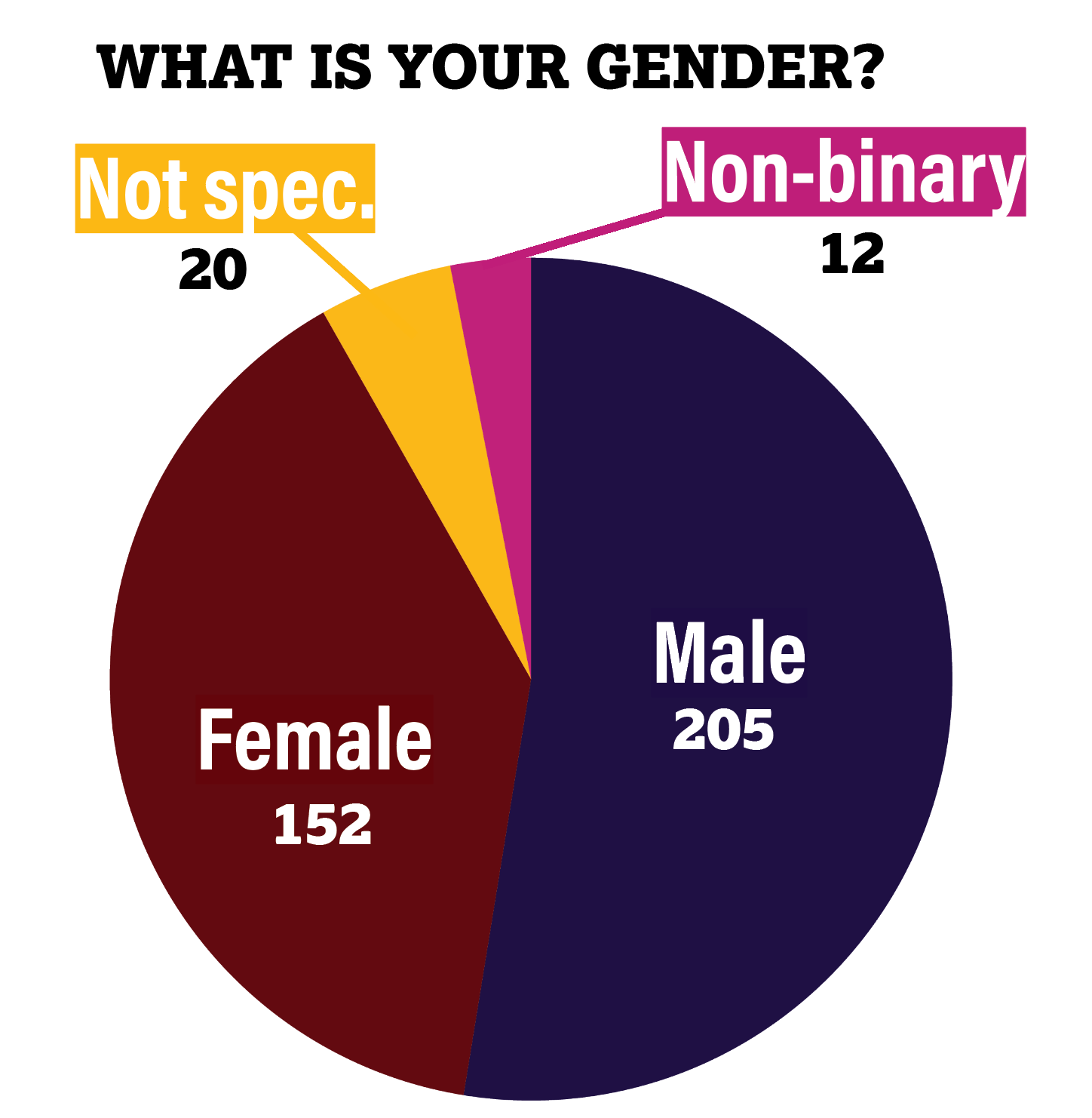
40% of respondents were women, slightly lower than Imperial’s 44%, but in line with the average for undergraduate courses (6:4 men-to-women ratio). 
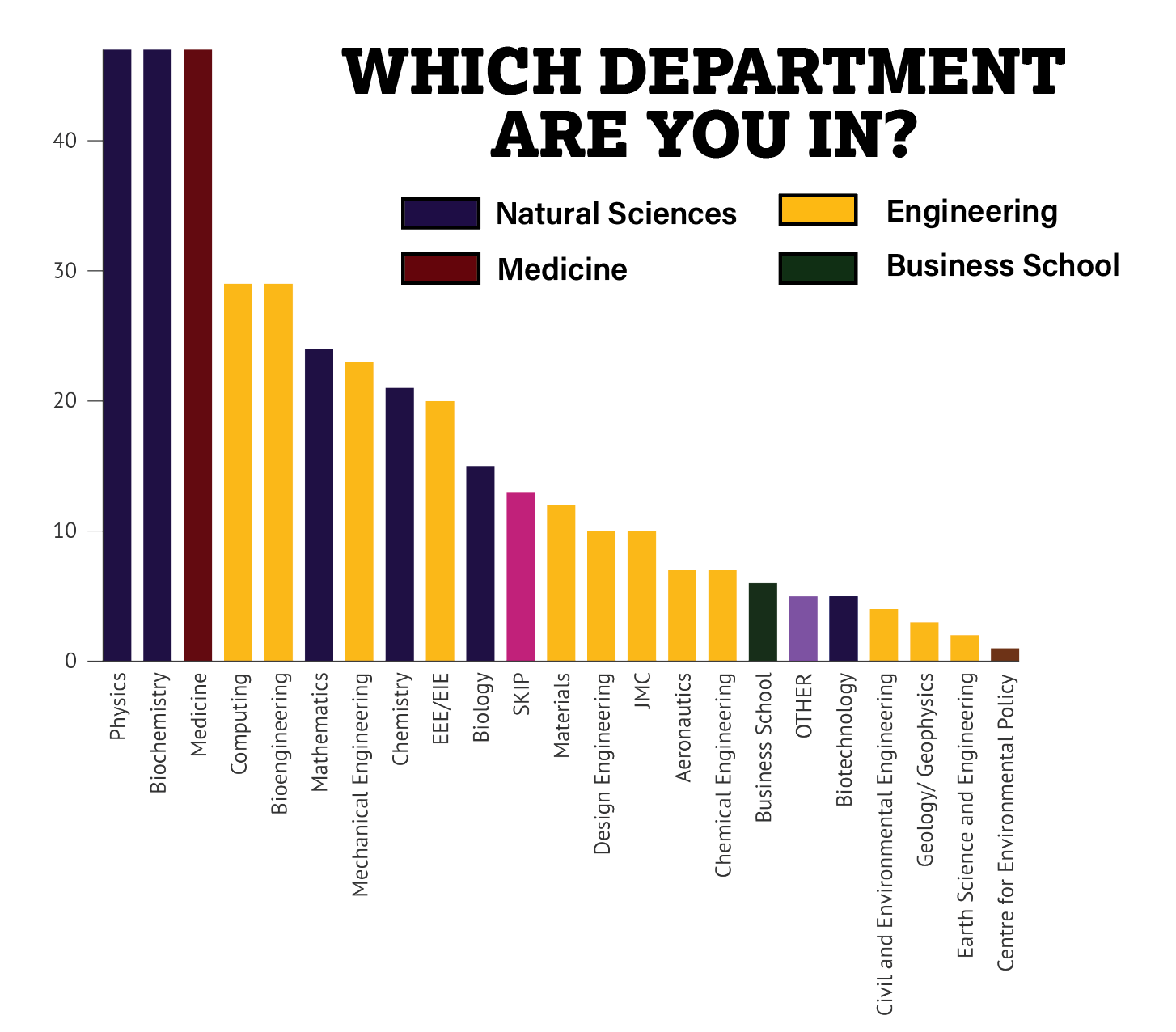
The faculty of Natural Sciences was overrepresented, with its students making up 41% of respondents while only constituting 24% of the student body. Conversely, the faculty of Medicine (12% of respondents) and the Business School (2% of respondents) were underrepresented – they make up 22% and 13% of the student body respectively.
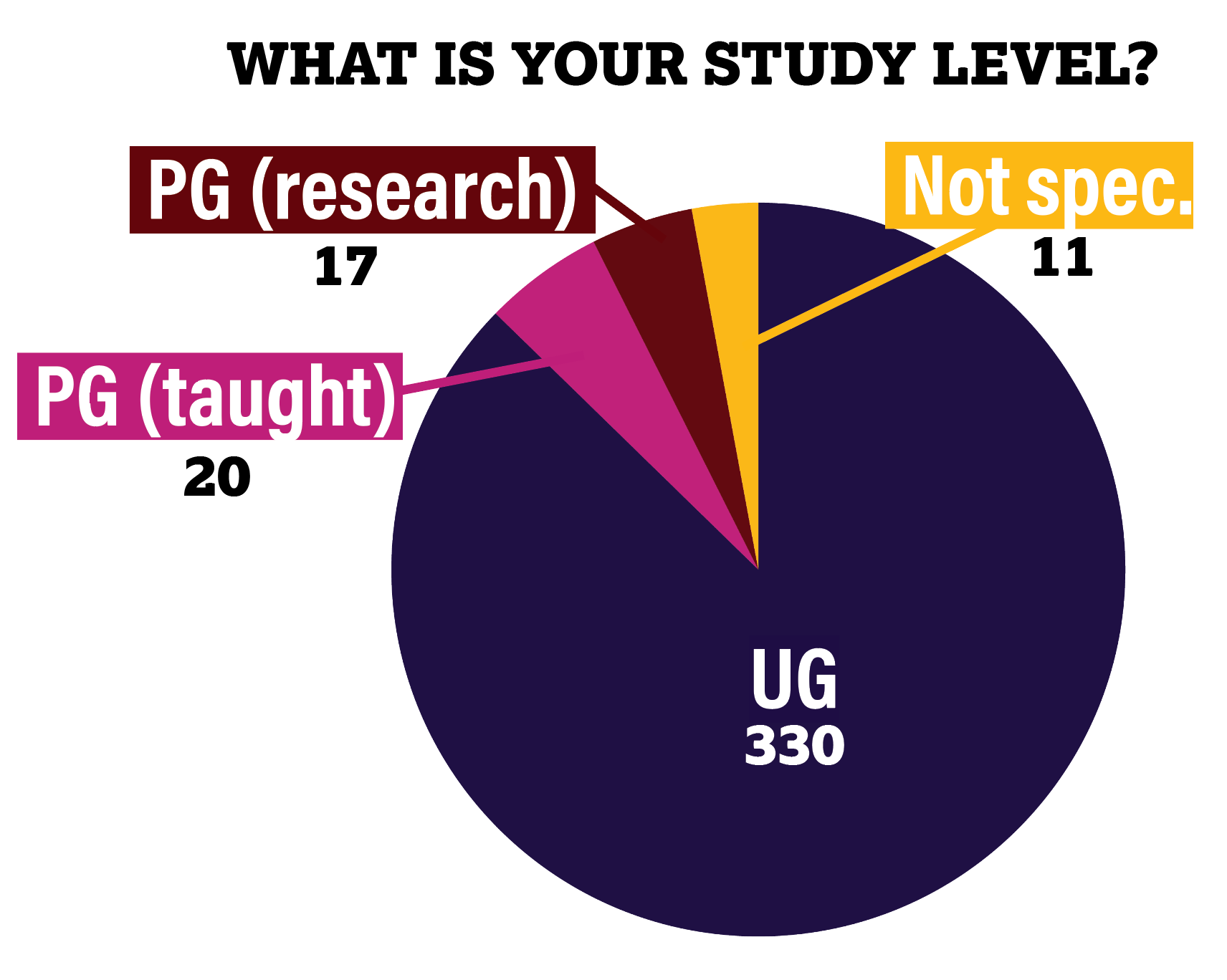
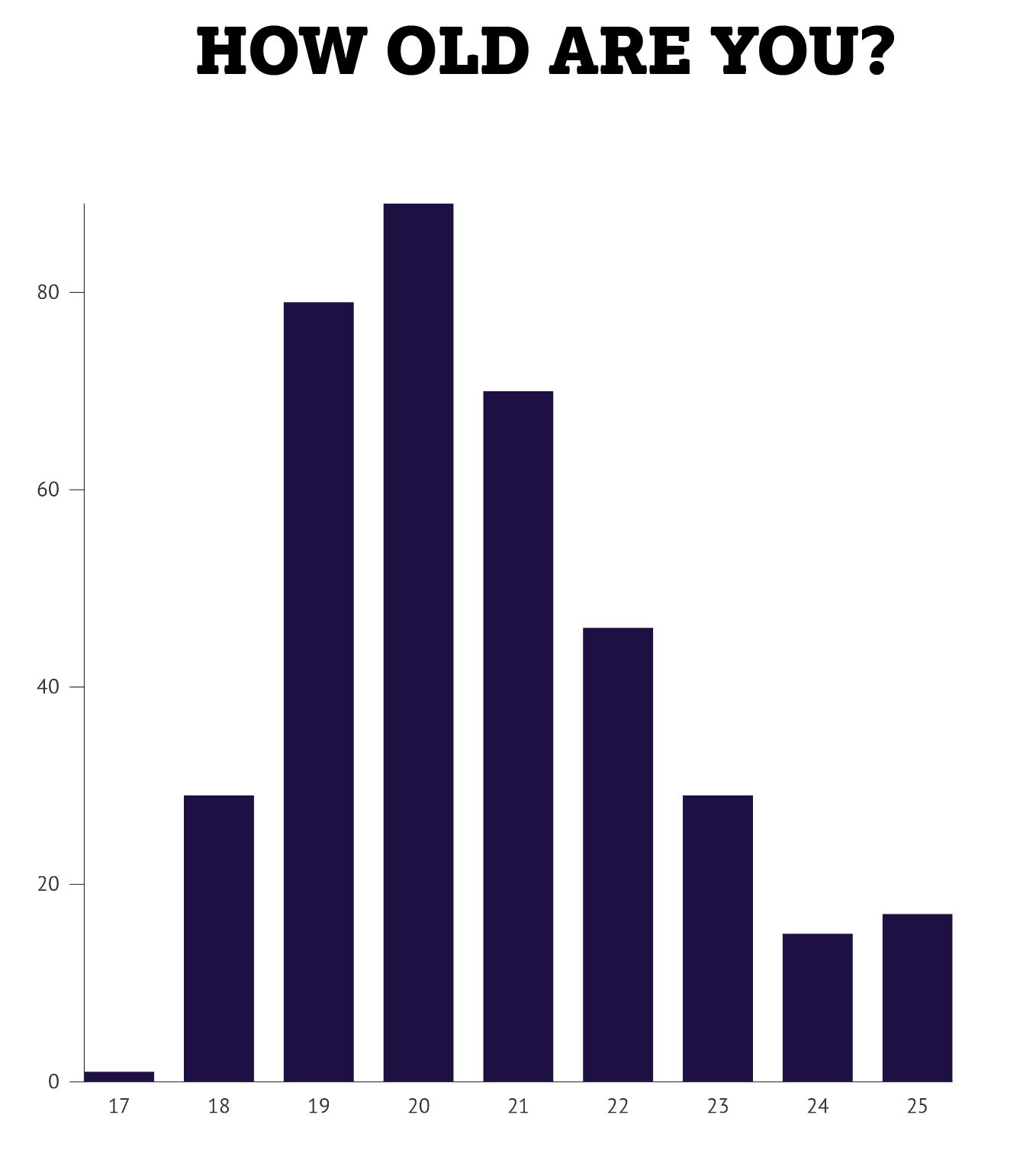
The vast majority (85%) of respondents were undergraduates. (Approximately 2.7% of College undergraduates answered the survey.) Among these, 30% were first years, 32% second years, 24% third years and 12% fourth years – since data collection occurred during the last academic year, some third and fourth year students surveyed will likely have graduated since.

From Issue 1890

6 Feb 2026

Discover stories from this section and more in the list of contents

Explore the edition

Read more

Environment

College Fossil Fuel partners explore options in Venezuela

Since the removal of Venezuela’s autocratic leader, Nicolas Maduro, by an American task force in January, President Donald Trump has vociferously called for oil companies to rekindle their commercial ties with the embattled petrostate. Although many have been reluctant to “take the oil”, baulking at high upfront investments to

By Guillaume Felix
Lobbying by Stove Industry undermines Council Public Health Campaigns and Housing Plans

Environment

Lobbying by Stove Industry undermines Council Public Health Campaigns and Housing Plans

An investigation published by The BMJ in March reveals councils in England face legal pressure from the Stove Industry Association (SIA) as public health campaigns urge homeowners to limit the use of wood-burners. Findings from freedom of information requests, sent to local authority areas identified as having the highest density

By Ushika Kidd