Review: Inferno by Boards of Canada
There are some musicians who can stay away from the spotlight for almost a decade, not giving any interviews, not even releasing any images, and can remain as revered as ever. They manage to build this mystique around their work, to the point that die-hard fans will dissect and analyse every last second, and it can be easy to forget there are people behind the work. Boards of Canada, a Scottish electronic duo, might be the masters of this approach; they’d been out for so long, many assumed they were done for good. And yet, after thirteen years of radio silence, they released Inferno, which stands among their greatest works, which is already pretty incredible.
The band’s music is reminiscent of walking alone in the woods as a child; you’re filled with awe at all the beauty around you, yet there’s always a sneaking suspicion that something is wrong, and you shouldn’t be out here. They blend nervy hip-hop beats with warm synths, layering various field recordings on top. Sometimes, they’ll sample cult members talking among themselves, children’s TV shows like Sesame Street, or Cold War era numbers stations, and where possible, they’ll reverse and distort these samples beyond comprehension. The end result can be anxiety-inducing, as in their 2002 masterpiece Geogaddi, which plays with Satanic themes at times. Alternatively, you can get a more laid-back experience, as in The Campfire Headphase (2005), on which they incorporated acoustic guitars to add more life to their music.
One thing you cannot say about Boards of Canada, though, is that their music is cold or inhuman. In fact, I find their music usually leaves me reminiscing about an easier time, one where the world felt mysterious and exciting, and where I was too young to realise how harsh it can be. Inferno plays with those ideas, in an album that feels almost defined by the current political climate, one fraught with the fears of authoritarian governments, the rise of AI, and the grip that religion holds on our society.
They’re usually playing a solemn yet comforting melody, almost childlike in a world far too cruel to understand.
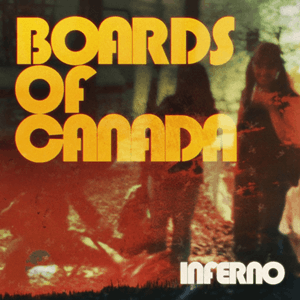
The music is almost claustrophobic, smothering you in ambient noise, with dissonant synths that cry out in warning, as in “Hydrogen Helium Lithium Leviathan”, which feels awfully foreboding. “Naraka” (referring to hell in Indian religion) samples a Hare Krishna chant alongside a deep bass, building an oppressive, trance-like atmosphere. It’s a treat for relistens, as you can hear all the different layers build into an eerie outro. “The Word Becomes Flesh” includes a recording from an educational film on embryonic development, cleverly chopped up in time with the beat, creating Inferno album cover. Boards of Canada a strange, esoteric groove you can tap your foot to. The album is full of these esoteric samples, yet they’re so brilliantly used that they fit perfectly into the music. Sometimes, the songs sound silly, with robotic voices awkwardly singing “I think that’s wonderful” on “Father and Son”, which can dent the impact the band are going for – that song actually samples a tense cult discussion surrounding a Bible verse – but it usually pays off.
Yet the band truly shines when they focus entirely on the ambience, with tracks like “Memory Death” and “Deep Time” briefly putting you in an unsettling bliss, before you lurch back into chaos. “The Process” starts off with sounds of people rioting, with the voice of an official-sounding woman speaking gibberish, but then descends into this gorgeous piano-led outro that sounds like the aftermath of cults and political movements — it’s what this album’s been leading up to, and it’s devastatingly effective. It’s followed by the beautiful “You Retreat in Time and Space”, which almost sounds like the world rebuilding itself from the disaster that unfolded, with chilling synths joined by drums and xylophone as light finally shines into the darkness.
Boards of Canada might sound like one of those bands that require a lot of lore to understand, what with all the strange samples and distorted tracks, and Inferno isn’t particularly welcoming at first glance. However, there is always a small kernel of beauty hidden within most of the tracks, and the best way to approach the album is to follow the synths — they’re usually playing a solemn yet comforting melody, almost childlike in a world far too cruel to understand.