Sally Rooney takes on suit-and-tie men in ‘Intermezzo’
A departure from the Rooney we know; Intermezzo is not a bad book, but it isn't a good book either.
If Rooney aimed to embody everything unlikable about Suit-and-Tie City men in their early 30s—those with massive victim complexes who crave attention more than their younger brother’s dog—I am all for it. If instead, she intended to portray them as nuanced yet somewhat contrived, grieving characters who can’t let go of two women despite hurting both, I’m here for that too, though with a tad of skepticism.
Intermezzo is a novel that delves into complex relationships, grief, and self-awareness—a common theme in Rooney’s work—told through a dual narrative of two brothers coping with the death of their father.
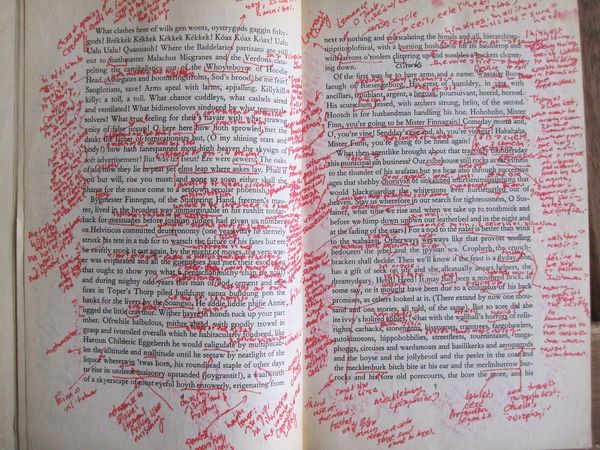
Peter, the elder brother, is undoubtedly the most captivating character in the story. Once you adjust to its Joycean narration (albeit borrowing too heavily from him) Peter’s chapters become harder to put down. I could not help but crave his failure at times, often wanting him to fall short of his desires. Sylvia and Naomi, his two love interests, both deserved better; Peter is not a good man. And the fact that he knows he is not (in the sense that he is fully aware of his own selfishness) does not make his actions any less frustrating or painful to witness.
Rooney writes Peter’s relationships through his own perspective, or at least, it feels like she wants us to believe that is the case. For example, Naomi, at times, comes across as pathetic largely because Peter views her that way. Peter views Naomi as passive and pitiable, yet Rooney deserves credit for not letting her be defined solely by his lens. Despite his perception, the story subtly reveals Naomi’s more nuanced side, highlighting a quiet strength and independence that Peter overlooks. She proves to be more self-aware and resilient than he realises.
In contrast, Peter’s view of Sylvia is undeniably more favourable, likely because there is an element of pride through his lens. He seems to regard her as someone worth admiring, and even a reflection of his own success. There is a sense of ownership in how he views Sylvia, an almost possessive pride in the way she allows him to shape her narrative. This dynamic adds a layer of complexity to their relationship: despite being an object of his admiration whose value is defined by his perception of her, Sylvia still holds a degree of autonomy within that lens, thus over him.
The exploration of non-monogamy throughout, and especially towards the end of the story feels frustrating. Peter is left in a dilemma: should he choose the glamorous, alluring figure or the intellectually driven, asexual academic? Which relationship serves to boost his own self-image? His grief becomes an excuse for his indecision, but it feels like a painfully reductive portrayal of the Madonna-whore complex. Both overly demure women offer him too much sympathy, allowing him to keep both as options, even to the end.
While the prose is undeniably well-crafted, the way these relationships are handled feels overly simplistic and unsatisfying.
Ivan, the younger brother, and his love interest Margaret, were characters I found myself caring for a little less than the others. While I did not mind Margaret’s perspective, their relationship lacked the same intrigue. Their dynamic was prone to unnecessary rambling, with moments of introspection and dialogue that dragged on, making it difficult to stay fully engaged, even during the buzz of a sex scene.
This book is certainly not centred around the relationship between grieving siblings, as was marketed. At least, not until the very end—a conclusion, I must emphasise, that feels rushed. Instead, it delves into the complexities of relationships between individuals of varying ages and backgrounds. The strength of the writing, along with the exploration of Peter’s psyche, is what propels the plotless narrative forward. As a result, I feel compelled to rate it a 3 out of 5.
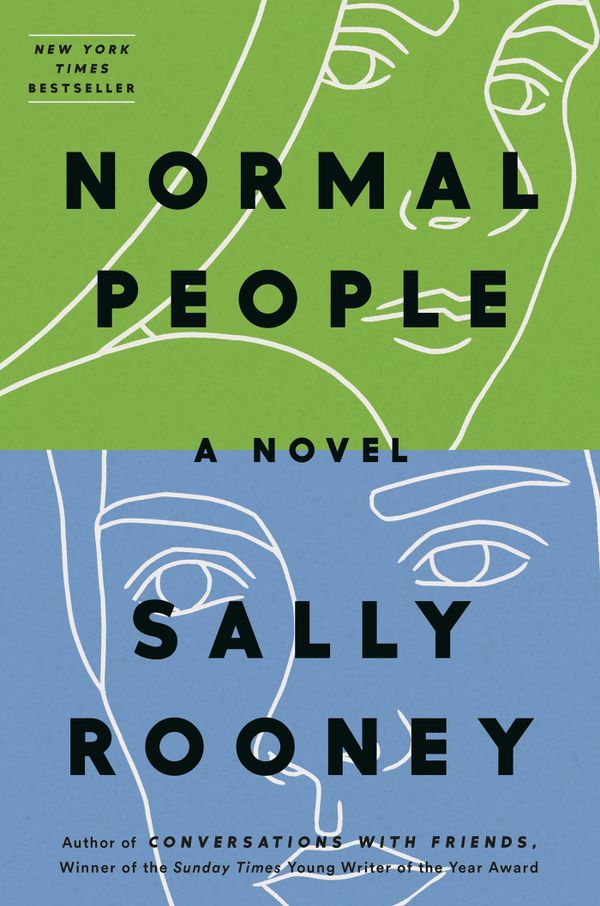
Unlike Normal People where Connell’s character is relatable, especially to the average self-pitying Imperial man, Peter doesn’t evoke the same empathy. Ivan is more likeable but still falls short compared to Connell. In fact, Ivan is absolutely a more accurate portrayal of the average self-pitying Imperial man.
That said, the book is still worlds better than Beautiful World, Where Are You, which lacks serious emotional depth and is poorly paced. It is her second-best novel to date despite its flaws.
I think that Ruby Lydford will consider the novel contrived, narratively complex for the sake it, and dishonest to its marketing.
 Ruby Lydford