The Art of Being Moved
A painting says a thousand words and the viewer says a thousand back; they move one another.
Of all the major London galleries, the Courtauld Gallery is the only one I hadn’t yet had the pleasure of visiting until very recently. Among many wonderful artworks, a piece that particularly struck me was Van Gogh’s Self-Portrait with Bandaged Ear. I found him on the top floor, unassuming, in the LVMH Great Room, and found myself really up close to the painting. After closely examining the fur on his hat, the featured painting on his wall and the emerald green shade he chose for his eyes, I looked down at my own feet; I couldn’t help but think, “This is how he would have been standing while painting this, just in front of the canvas, placing with his hands these very brushstrokes I’m examining”. Suddenly, the portrait blurred through tears I couldn’t hold back. I lingered there for a while, not necessarily moved by his suffering or even the painting’s beauty, more so by the simple recognition of his humanity and existence, just as mine. It’s extraordinary that something as simple as pigment could provoke such an emotional response.
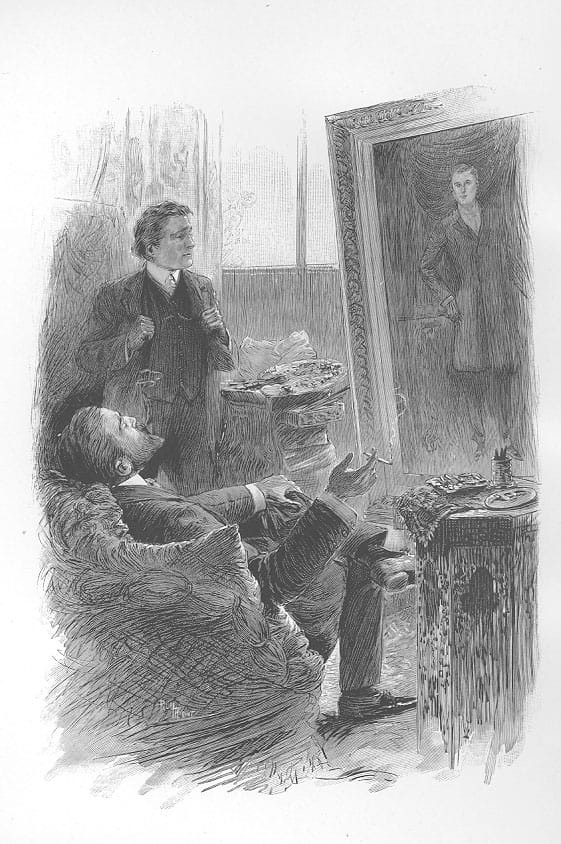
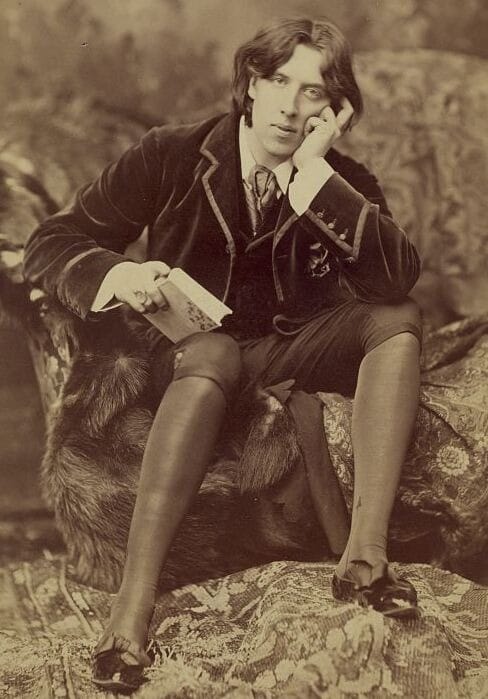
“To reveal art and conceal the artist is art’s aim,” Oscar Wilde writes in the preface to The Picture of Dorian Gray. Perhaps, but the artist cannot hide perfectly. They inevitably expose themselves through even their tiniest decisions: subject matter, composition, colour palette, and so on. Why did they conclude this was particularly worth depicting? How did they learn these skills? Beyond the surface analysis of what the painting tries to tell us rests information the artist didn’t necessarily intend to share: their markings, proof of their broader physical existence; their choices, undeniable traces of their inner world, ours to decipher.
However, we need to consider how much we’re actually discovering about the artist, rather than projecting our own world onto theirs. We can recognise only what we’re familiar with, through our memories, technical and contextual knowledge, experiences, and learned emotional associations. Someone more familiar with the context behind Van Gogh’s bandaged ear might see the portrait as a product of suffering and steadfastness in continuing to paint, and read more into his motivation, which they might even relate to. Another may be drawn to his artistic ability, fixating on its colours and composition. Is it the artist peeking through, then, or a part of ourselves? Perhaps this is what Wilde anticipated in the same preface, when he described criticism as “a mode of autobiography”. Even if the artist is imperfectly concealed, even if they lay themselves bare, what we see depends on what we bring to the encounter. Thus, viewing art becomes a meeting rather than simply seeing.
Perhaps this meeting is what makes art so deeply moving. Tolstoy considered art “a means of union among men, joining them together in the same feelings”. I wonder whether we really need to feel what the artist felt to appreciate this union, since we couldn’t possibly know what Van Gogh experienced while painting himself, or whether any interpretation is correct – certainly he wouldn’t have been able to imagine how each stranger standing before him at the Courtauld would feel, regardless of his intentions. Despite the canyon of generations, languages, and circumstances, making and viewing a piece of art lets two otherwise separate human existences intersect for a moment. When art makes us cry, it’s the force of that overwhelmingly intimate union, and the recognition that we don’t fully possess even our innermost personal, private experiences; others have felt and lived a life as real and complex as our own, without our needing to understand it.
Maybe art is indeed a mirror to the soul, though not exclusively the artist’s or the viewer’s. It reflects something eternal, which fades the border between what the artist created and what the viewer constructs: the human condition.