The economic paradox of the Iran war: why a $2 billion daily stalemate persists
Market disruption, inventory depletion, and rising consumer costs reveal the hidden mechanics of a war without resolution.
69 days into the Iran conflict, the economics tell a strange story. The Pentagon's initial cost estimate of $11.3 billion for the first six days likely understated the true figure by roughly 40%, according to Linda Bilmes, a public finance expert at Harvard Kennedy School who specialises in war budgeting. Her analysis puts the actual cost closer to $16 billion when accounting for munitions replacement and facility damage excluded from official tallies.
The daily expenditure has been fluctuating between $600 million and $2 billion depending on operational tempo. With the US announcing plans to begin guiding ships through the Strait of Hormuz this week, a move Iran has already characterised as a ceasefire violation, costs appear poised to increase again.
To contextualise these figures: the cumulative spending to date exceeds the UN's estimated $71 billion needed to rebuild Gaza's infrastructure. The burn rate of $2 billion per day could sustain humanitarian operations for 87 million people, according to UN estimates.
The Asymmetric Economics Problem
The conflict has exposed a fundamental cost imbalance in modern warfare. Iran produces Shahed drones at approximately $30,000 per unit and manufactures roughly 10,000 monthly. The US responds with THAAD interceptors costing $12.7 million each. During the initial 12-day intensive period in June 2025, the US used 25% of its THAAD stockpile, around 150 interceptors. Even with production quadrupled, replacing this inventory requires nearly five months.
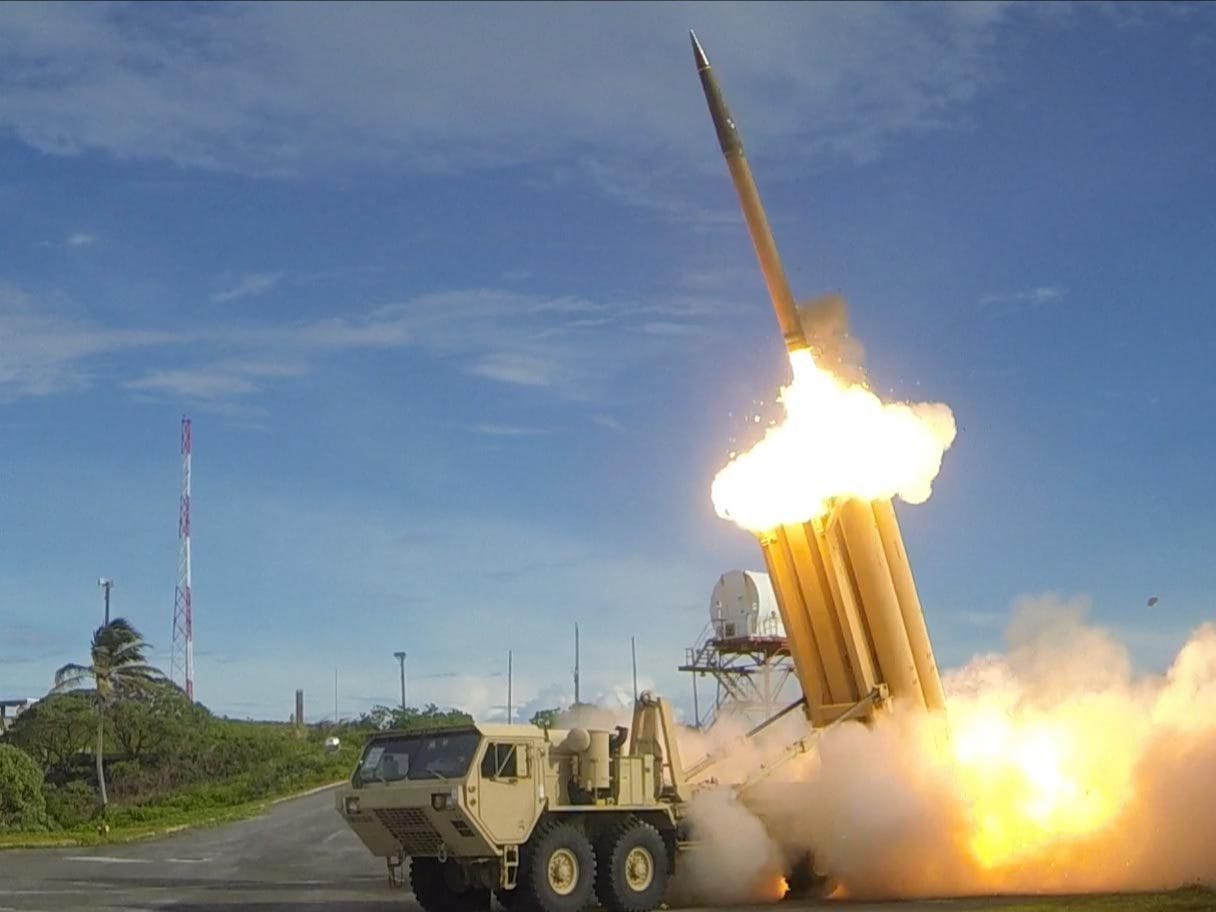
This mismatch creates what defence analysts call an "inventory crisis." The Centre for Strategic and International Studies notes that sustained conflict at current consumption rates could risk near-term stockpiles depletion, creating vulnerabilities for allied commitments in Europe and the Pacific.
Market Disruption and Consumer Impact
The economic effects extend well beyond military expenditure. US fuel prices have risen sharply: gasoline increased 27% to $3.79 per gallon nationally, while diesel surged 34% to $5.04, the highest level in three years. These increases function as a broad-based consumption tax, affecting transport costs across supply chains.
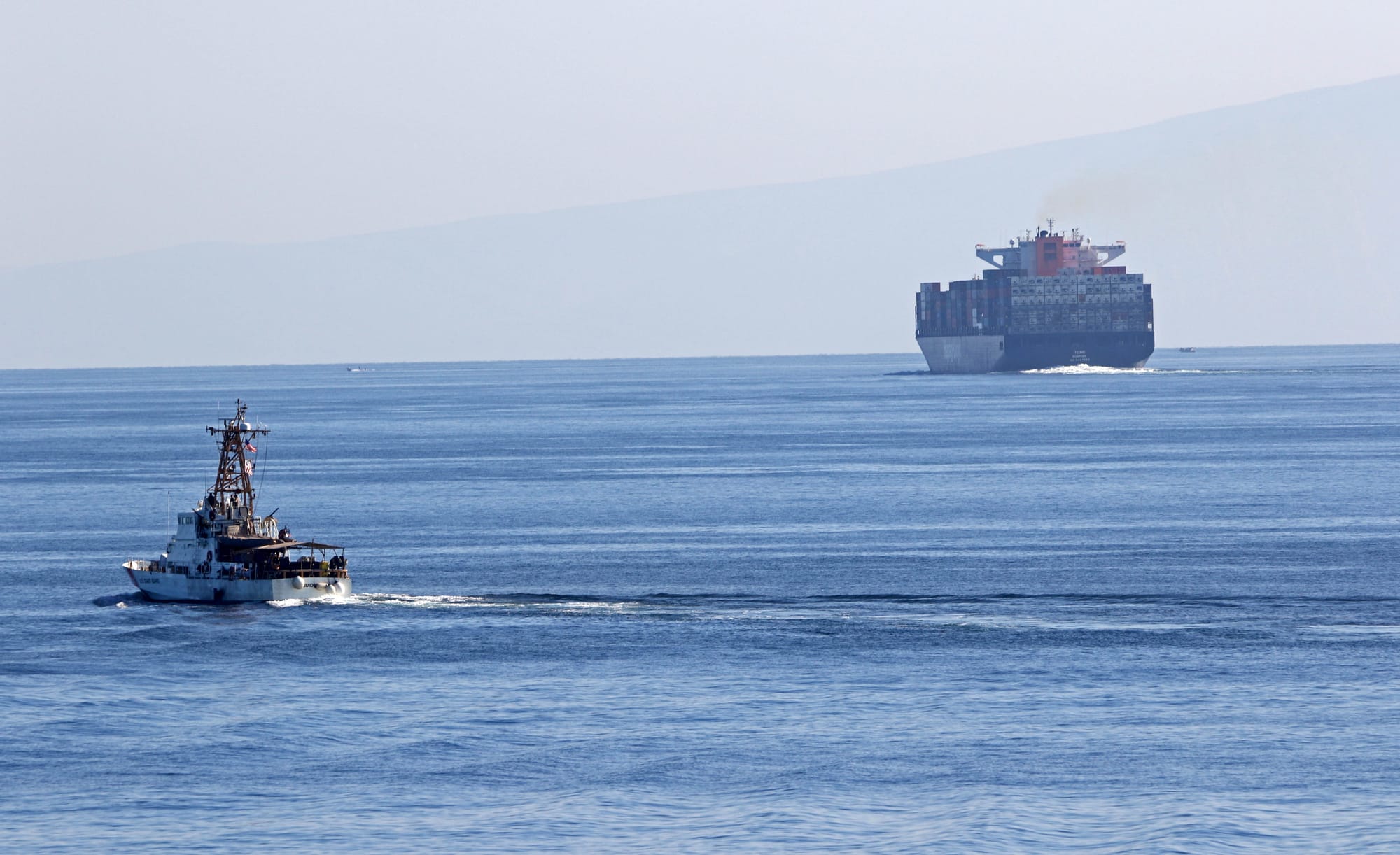
The Strait of Hormuz disruption has proven particularly consequential. Pre-conflict, approximately 3,000 vessels transited monthly. March 2026 saw just 181 passages. War risk insurance premiums increased over 1,000%, and industry analysts note that even a diplomatic resolution won't immediately restore normal shipping. Insurance underwriters operate on different timelines than governments.
Commodity markets have responded predictably with Iran and Gulf states accounting for roughly 45% of global sulphur and urea production. Sulphur prices rose 30%, while tungsten, which is critical for both military applications and semiconductor manufacturing, tripled since December 2025 following Chinese export restrictions.
The Stalemate Economics
What’s interesting is that both parties appear economically positioned to sustain the conflict. Iran's economy, already under severe sanctions stress with 40%+ inflation in 2025, faces limited additional downside from prolonged confrontation. The regime can frame external pressure as justification for internal economic hardship.
For the US, the administration has requested $200 billion in supplemental funding on top of an $839 billion baseline defence budget. This suggests either anticipated escalation or a recognition that stated costs significantly underrepresent true expenditure.
The political economy here is noteworthy: neither government faces immediate budget constraints that would force resolution. The US funds this through deficit spending. Iran operates a partially sanctioned economy already adapted to external pressure. The costs are borne primarily by third parties—global shipping, European energy markets, and American consumers—rather than by decision-makers directly.
Long-term Fiscal Implications
Historical precedent suggests reported wartime costs represent only a fraction of total fiscal impact. The Costs of War Project at Brown University estimates that veteran healthcare and disability costs, excluded from operational budgets, typically add 30-40% to total war expenditure over time. Multi-year defence contractor agreements already signed include commitments to expand THAAD production from 96 to 400 units annually and scale up various missile systems production.
The structural question is whether these costs represent temporary crisis spending or a permanent shift in defence procurement baselines. Early indicators suggest the latter, with implications for long-term fiscal planning and opportunity cost in other policy areas.
As negotiations remain deadlocked and operational tempo potentially increases, the economic dynamics point toward continuation rather than resolution. The question is less about whether either side can afford to keep fighting, and more about what costs they're willing to externalise indefinitely.