The Great Exhibition Road Festival


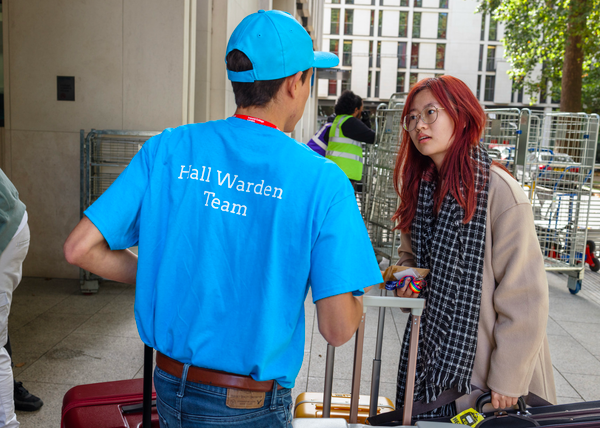
A fortnight ago, South Kensington campus and surroundings became a riot of colour, crowds, and scientific communication. 57,000 people attended the Great Exhibition Road festival, which ran on the 19th and 20th of June, marking 175 years since the Great Exhibition in 1851. The festival is subdivided into ‘zones’, with specific themes for each one. This year, the zones were themed around tech, health and wellbeing, world science, and subterranean life, as well as themed areas for families with children, young people, and ‘adults only’. The Great Exhibition Road Festival employs student volunteers who help run the event.
One of the main attractions was the Steelpan Jam Along organised by Nostalgia Steel Band, the first steel band ensemble in the UK. Their workshops included a brief history of the steel pan music and culture, and they led the Wildlife Carnival Parade alongside Wildlife Wonders workshop. The Imperial College Road part of the festival also hosted demonstrations from Imperial labs and students, such as the “Sound of Serotonin” stand which demonstrated biological measurements through music.
The Tech Zone, held in the Sir Alexander Fleming Building, was equally engaging. It hosted Spotlights on Science talks which were always fully booked, and it also was one of the biggest and most attended attractions with a robot playground. The Family Fun Zone in Kensington Gardens was a vibrantly decorated section, filled with a wide range of activity-centered exhibits for children aged 5-12. The area also included stories, songs, and crafts for children aged under five. With food stalls and entertaining performances lined up throughout both days of the festival, the space was well equipped for families with young children. Families could also sign up to attend the festival during the relaxed session on Sunday morning for a quieter, more accessible experience.
The exhibits ranged from building molecules out of gummy candies to folding perfectly aerodynamic paper airplanes. Children were enthusiastically visiting stalls to learn about machines, molecules, and the environment through arts, crafts, food, and music. Volunteering at the Molecules and Red Cells exhibit, where visitors could navigate red blood cells through a maze of vessels and build their own microfluidic keychains, entailed energising conversations with curious young minds.
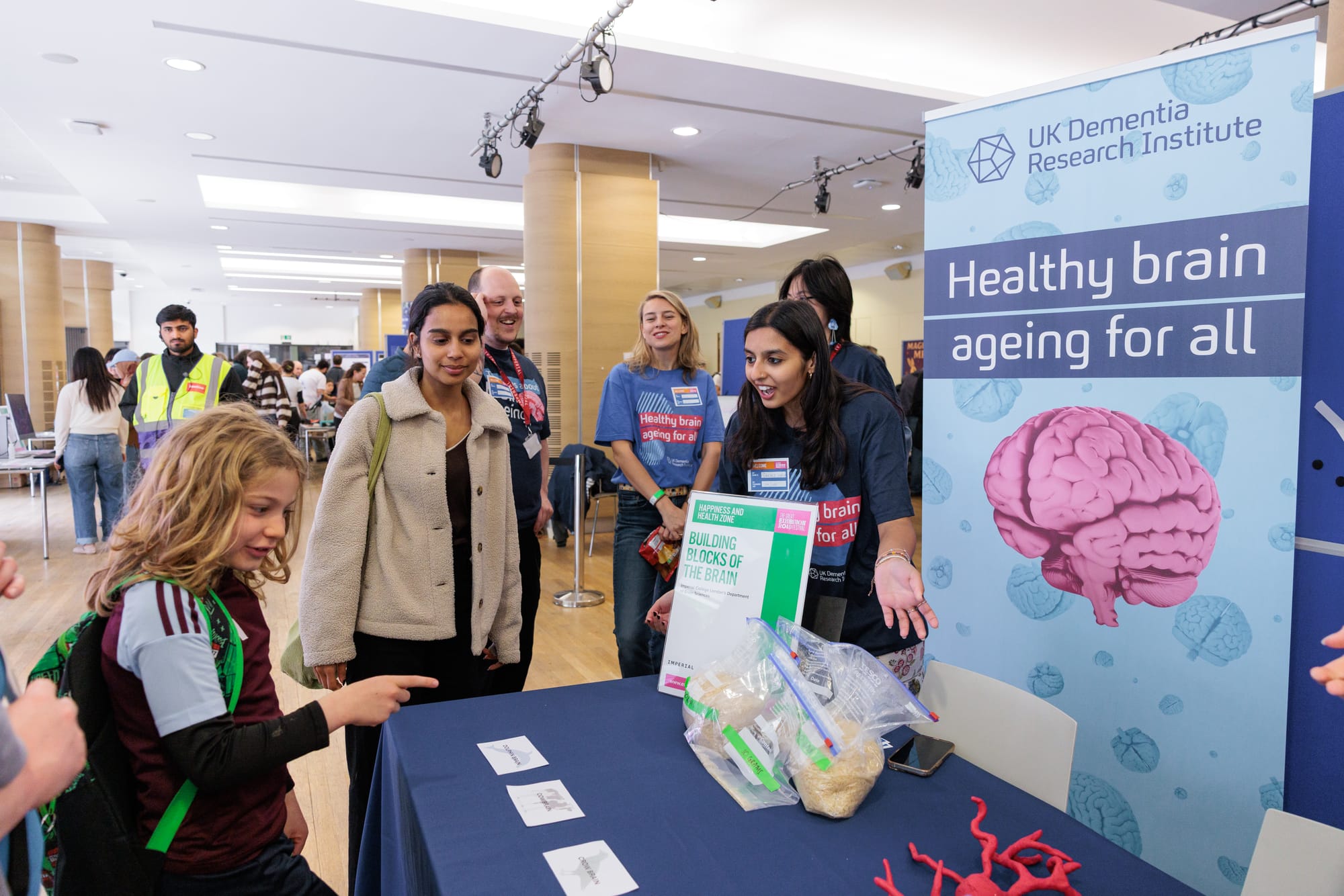
Making the exhibits accessible and engaging for young children was both a challenge and a privilege. It was deeply fulfilling to see the first spark of scientific interest in young students’ eyes when they learned something new and truly enjoyed it. It is mesmerizing to see how fast the campus and around it can change so much for the festival and how much youthful spirit comes with the festival. We think anyone considering volunteering next year should definitely try it!