Problem Solved?
OpenAI publishes a solution to the Navier-Stokes equations.

Science Editor (2025-26)

OpenAI publishes a solution to the Navier-Stokes equations.

A fortnight ago, South Kensington campus and surroundings became a riot of colour, crowds, and scientific communication. 57,000 people attended the Great Exhibition Road festival, which ran on the 19th and 20th of June, marking 175 years since the Great Exhibition in 1851. The festival is subdivided into ‘zones’
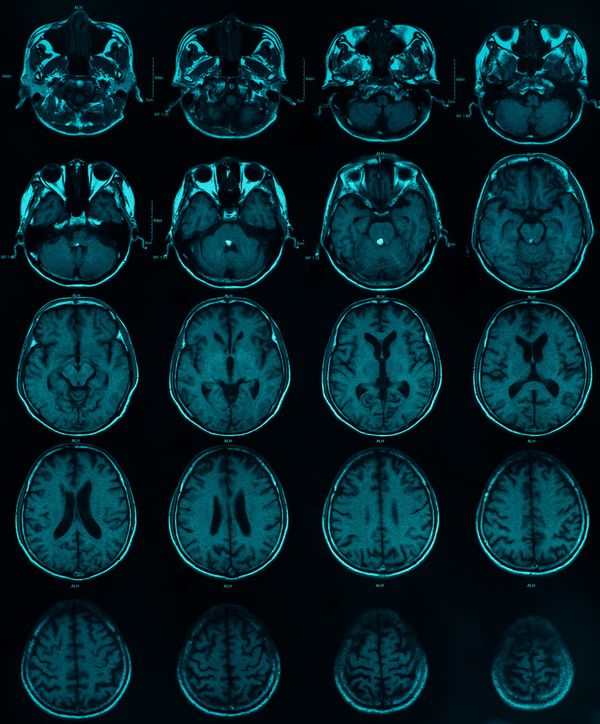
We can’t, obviously: the ethical concerns place this firmly in dystopian science fiction territory. Yet, the Yale spinout startup Bexorg is offering something very close. The team created a proprietary system which takes brains removed from deceased people who choose to donate their bodies to science and connect them

Imperial neurotech spinout MintNeuro is creating specialised microchips that enable next-generation treatments for neurological conditions.
As voting closed at 2pm on Thursday 12th March, over 146,000 ballots had been electronically cast in the 2026 student elections. The turnout for student-run Clubs, Societies and Project (CSP) Elections was 28.8%, while the turnout for non-CSP “General” Elections was 24.4%. Both turnout rates
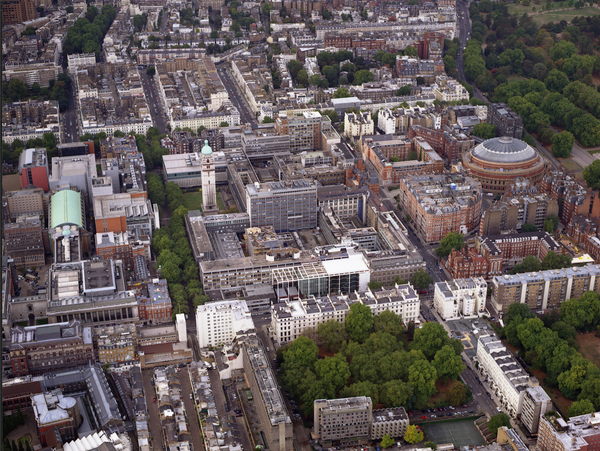
What are the stories behind the scientists, statesmen and engineers Imperial is named for?

Imperial study identifies patterns in same-sex sexual behaviour in primates.

A startup aims to make learning easier using AI.

A look at Florence and the Machine’s extraordinary new album.

Felix attended the New Statesman Future of Healthcare conference to learn what experts think Britain’s goals and policies should be.

Review published by Imperial's Centre for Environmental Policy and Dyson School of Engineering discussing the possible ecological harm of tidal energy

Kidney with modified O-blood type transplanted into a human for the first time