The ups and downs of tidal energy: This Week in Science
Review published by Imperial's Centre for Environmental Policy and Dyson School of Engineering discussing the possible ecological harm of tidal energy

A new review published by researchers from the Dyson School of Design Engineering and the Centre for Environmental Policy assesses the harm done to ecosystems by the construction of tidal power plants. The review is published more than 40 years after the first barrage was completed. It is estimated that the UK could obtain as much as 20% of its energy from tidal power.
Every day, coasts experience 2 high tide and 2 low tides. Tidal power harnesses the energy carried by placing turbines in the path of the moving body of water entering an estuary. The tide spins the turbine, generating energy. Tidal energy can be harnessed using a barrage, which blocks off the entire estuary, with turbine beneath it.
This type if power is very consistent and has the potential to produce large amounts of energy. However, barrage building projects face opposition from some environmental groups because they risk damaging delicate ecosystems. They are also very expensive, which may explain why only 5 major barrage projects have been built.
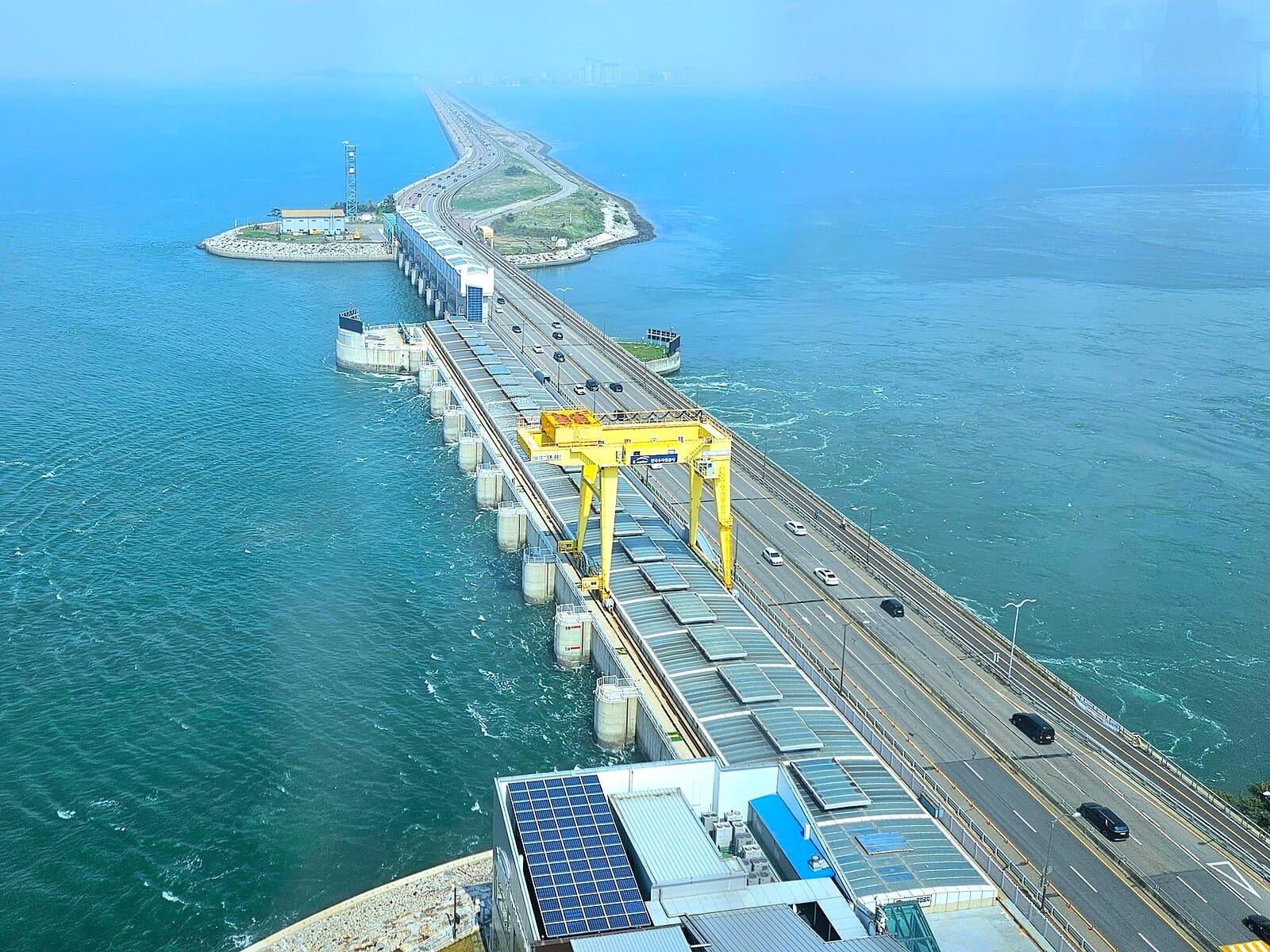
The review by Ascher, Gray and Collins found limited effects on the environment surrounding the barrages. The fear that barrages stop the migration of wildlife is unsupported by the data, with only one barrage causing an increase in fish mortality, although some eel migration was affected at other barrages.
Surprisingly, water quality, oxygenation, biomass and mudflat stability were found to increase after the barrages were installed at some sites. There are negative effects – barrages increase erosion and alter the native population. The authors concede that the environmental effects are mixed. With the improvement of technology in both building and design of the barrages, this technology maintains its high potential.