The search for polyamorous art
Challengers couldn’t do bisexuality nor polyamory properly, but maybe the circus can.
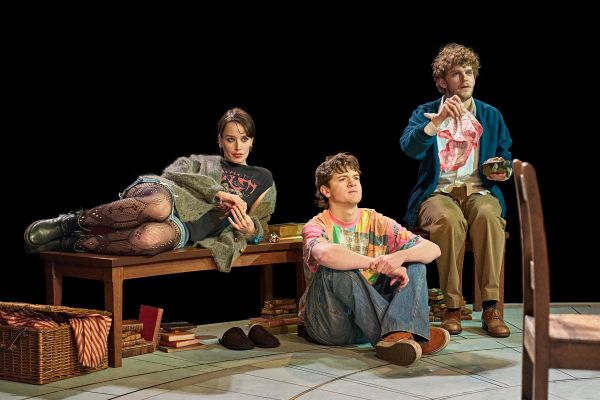
Challengers came across my radar recently, at first bleeping off to the side with the allure of the guy who plays boy-to-man Prince Charles in The Crown snogging Zendaya, and then bleeping the same way but right in front of my face. On the surface its a sexy, provocative drama about hot people doing hot things with a tennis side plot used as a brilliantly artistic excuse to add some moans to the film. Peel back the first layer, however, and you’re met with an odd depiction of male bisexuality where the men are allowed to be ravenous about women, but only a little hungry for one another. It’s never clear if they feel insecure in their sexuality, whether they have reckoned with it, or whether it was real in the first place. The male bisexuality just has to be on the back burner. But the fun starts when you peel back the second layer and reveal the wonderful world of unethical non-monogamy that the film can’t seem to depict as anything except expected from polyamory. Every character in the primary “throuple” betrays and exploits every other character to their heart’s content, and everything is forgiven by offloading their own guilt onto one another. No one has a sense of self-control. Frustrated and disappointed, I sought to discover more accurate portrayals of polyamory in art, hopeful that some medium captures its dynamic reality and capacity to be ethical.
I thought first of Frida Kahlo. An icon of feminism, marxism, queer liberation and personhood with the viscerally introspective art to match. Her marriage to Diego Rivera was, for a time, polyamorous, with Kahlo finding real joy in her connections to both Rivera and her other partners. However, their polyamory was turbulent and characterised by betrayal. While Kahlo’s The Two Fridas is about more than I could hope to write, I hear of the painting’s origin being in her childhood imaginary friend and can’t help but think of the distance between her and her younger sister, Cristina Kahlo, that built from the betrayal caused by Rivera’s relationship with Cristina.
Despite Kahlo’s polyamorous relationship being mired in pain, I find viewing her artwork through a polyamorous lens as highlighting something Challengers lacked. Kahlo’s art is deeply self-reflective and so overflows with dynamicity. The characters in Challengers, by constrast, feel almost entirely self-absorbed and remain static, unchanged during the film’s runtime.
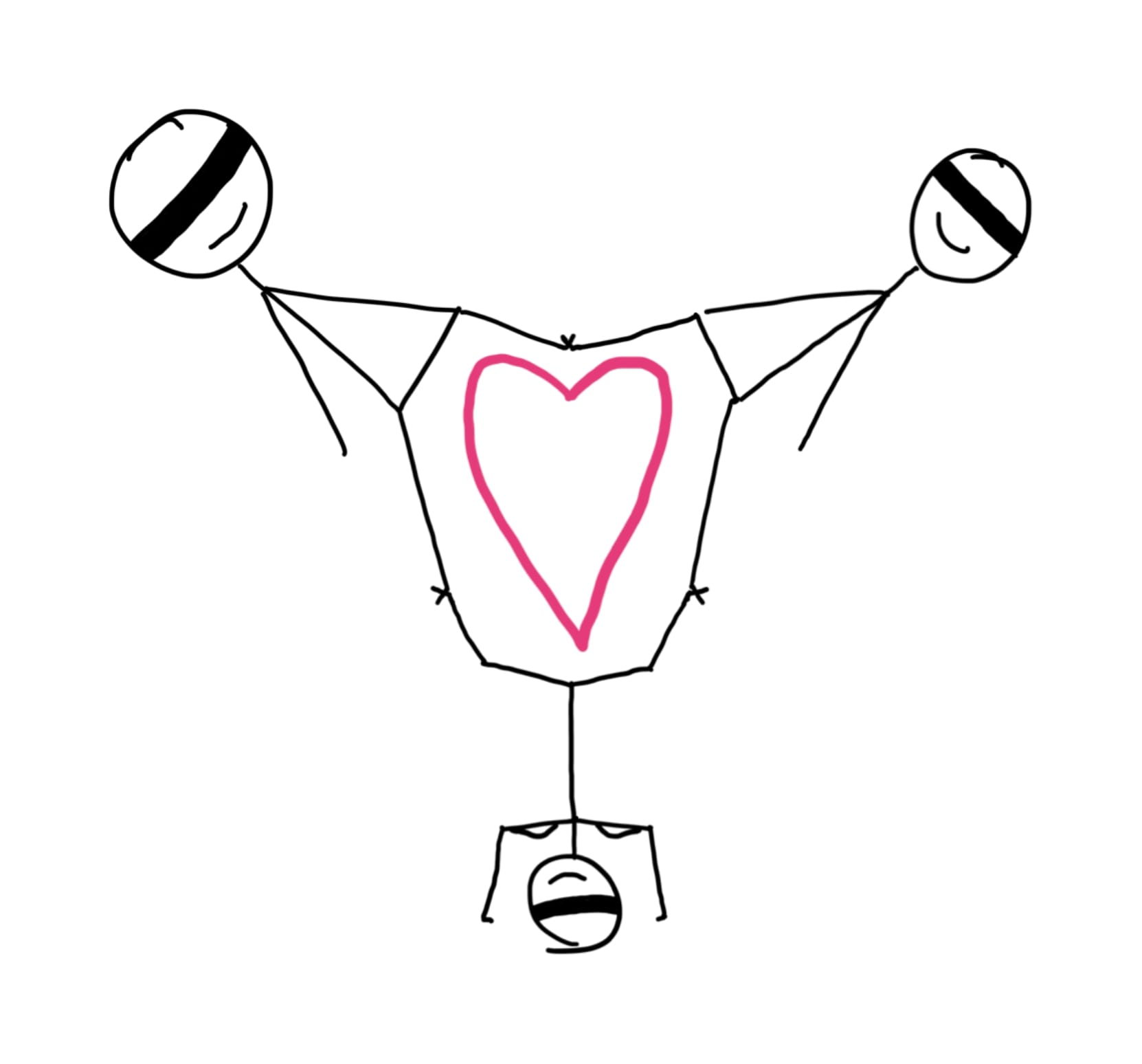
Searching now for dynamic art with a positive outlook on polyamory, I found myself considering non-normative lifestyles more generally. This combined with having just come off the back of Frida Kahlo landed me squarely at the feet of another magical realist, Angela Carter. The fantastical writing of her Nights At The Circus is enrapturing, and certainly nothing if not dynamic. The book itself does not have strong themes of non-monogamy, but it does tell the story of an artist whose craft is commonly intertwined with polyamory and I believe this is where we find ethical polyamorous art. Circus art, and much live performance art, is rooted in a trust between multiple individuals that makes the collision of their bodies safe and exciting. If you haven’t seen a group of acrobats throw one another into the air and twirl impossibly before gracefully crashing into one of their other partners, then I encourage you to seek out your nearest circus or cabaret night. Often these performances are inspired by personal hardships wherein the performer, whether on stage alone or not, delivers something emotionally naked with the support of their troupe. In this way, circus artistry naturally embodies the reflection, mutual empathy, and dynamic support that underpins ethical polyamorous relationships.