When fashion is art and when not
RIP Elsa Schiaparelli, forgive us for our sins and cleanse us of the TikTok whimsy trend.
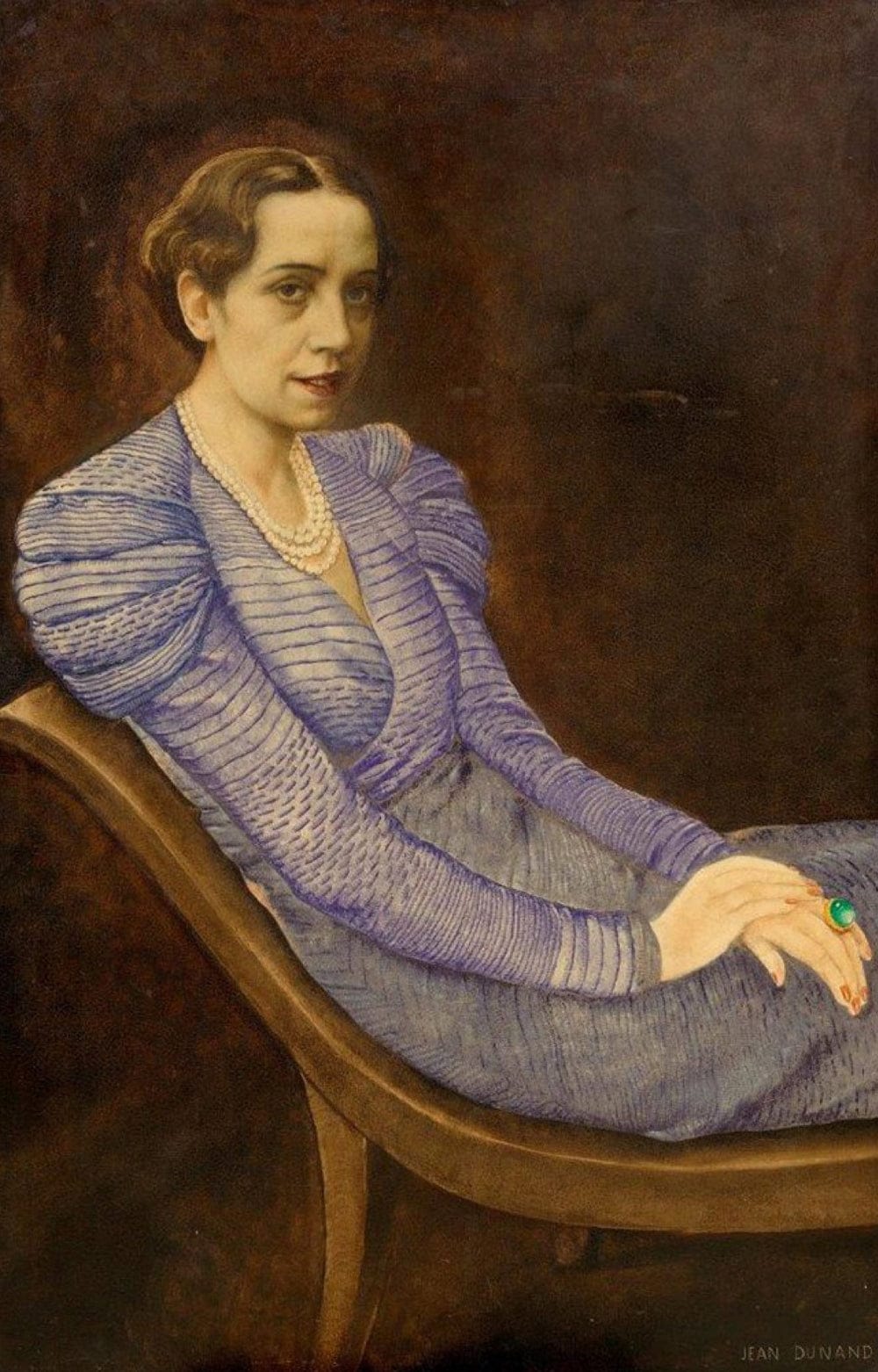
The V&A’s Fashion Becomes Art Exhibit is an escapist rabbit hole into the life of a woman who lived, breathed and loved at the intersection of the mid-century art and fashion worlds. Climbing back out of Schiaparelli’s wonderland into our current consumerist zeitgeist leaves a bitter taste in one’s mouth, to say the least.
Schiaparelli’s work is a portfolio defined by powerful guiding themes: trompe l’oeli, surrealism and the avant garde are so strongly associated with the brand, it is easy to go in expecting an intense thematic narrative. Therefore, the most surprising aspect of the collection was its unbridled variety. Although each shoe, jacket and button undoubtedly carried the creative soul of Schiaparelli, they were by no means limited by this label. The collection stretched across themes and functions, from her early work in athleisure (of all things), through to an unrestrained archive of collections including 1935’s Stop, look and listen, 1939’s Commedia dell ‘Arte, and a hat-based love affair with the surrealist movement. Schiaparelli’s “raison d’eteres” remained strong throughout; however, you got the sense that the most valuable aspect of each piece was its own inherent style and soul, as opposed to its connection to the wider Schiaparelli-verse.
Another key tenet of the exhibit was its artful blurring between Schiaparelli: the fashion house and Schiaparelli the woman. A self-proclaimed contrary and independent woman coming into her own in an age of rapidly shifting gender roles mirrored, for example, in a collection of ‘hard chic’ suits, utilitarian yet brazenly creative, for a new wave of middle to upper class women entering the work force. Her portfolio bloomed into its distinctive dream like character alongside her personal relationship with the surrealist movement. The iconic Tears dress from her 1938 “Circus” collection is a key culmination of a decade’s long friendship with Surrealist painter and cultural landmark Salvador Dali.The print patterned dress, made to imitate peeling human skin, embraces the bizarre and uncomfortable in true surrealist fashion, crossing the line between from inspired piece to a bona fide artifact of the movement. Schiaparelli’s impressive range stretched from an avant garde perfume line to a piece styled in the popular films of the day. Most beloved to me were the small army of buttons from throughout her collection, featuring among them a troupe of acrobats and a hyper-realistic peanut.
This is an almost sacrilegiously short overview of a rich, well-thought-out exhibit about that provides a thorough, and at times moving, education on a tour de force of the fashion world, the relationships and life-lived behind each collection and the little piece of soul she embedded in each design. It was therefore a jarring moment of cognitive dissonance to turn my phone back on to a promo email for the Skims x Nike collab, and an Instagram reel encouraging me to cover a plastic coffee cup in plastic gem stickers in the name of whimsy. And so, I came away from the exhibit not only with the sense of awe for fashion as a powerful medium of artistic expression, and for the way someone can live on so movingly and profoundly in a collection of buttons, but also with a strong sense of disillusionment.
Although not perhaps a word used in the pages of academic fashion criticism, Schiaparelli’s work embodies a playful, unexpected spirit that maybe we’re all reaching for when we post the word “whimsy” on social media. And yet somewhere along the way, this trend has morphed into another fibre in the planet sized noose of overconsumption. “Whimsy” in our context doesn’t follow Schiaparelli’s ethos for self-expression as a departure from the norm, but acts as a form of social signalling, a mindless repetition of a trend to signal creativity and joy, rather than to bother to actually experience or seek them out for oneself.
Another iteration of soulless cultural performance is what are most aptly referred to as “poop x fart” collaborations (see Jordan Theresa’s work): brand deals between two-multimillion-dollar corporations to sell plastic in a fun new shape! (derogatory). A brief sifting of recent pop culture drags up the skims x Nike sportswear collection, the John Lewis Xmas bauble range among copious others. Meaningful collaboration between creatives at the height of their fields has been replaced by what is synonymous with a money grab.
This trend of soulless fashion for money’s sake is antithetical to the spirit of “Fashion becomes art”. Although fashion, and art in general, have always been a means to signal class, wealth and cultural loyalty this has previously been balanced with a healthy measure of taste, personhood, quality and value.
From the aspirational to, what could be argued (in a separate article even more pretentious than this one) is, a hallmark of late-stage capitalism, our consumer and cultural trends have shifted. We place a perverted emphasis on the act of the purchase itself – where it’s from and its monetary value – with what the piece actually is coming in a distant third place. The soul of fashion and art so valued by Schiaparelli, her peers, and this exhibit, is an afterthought in even our most aspirational purchases.