"Drill, drill, drill" won’t pay your bills
Loud proponents of North Sea drilling are missing the point on energy security

Amid today’s doom-and-gloom headlines, it can be tempting to seek a silver bullet for the UK’s ever-worsening cost of living crisis – especially if you’re a politician. For the likes of Nigel Farage and Kemi Badenoch, North Sea drilling appears to be just that.
The two have been loudly advocating for a revival of the UK’s domestic oil and gas sector, which is cracking under the pressure of high tax burdens and a ban on new exploration licenses in the North Sea.
Oil and gas companies operating in the UK currently face a headline tax rate of 78%. This includes a 30% ring-fenced corporation tax, an additional 10% charge on ring-fenced profits, and a 38% Energy Profits Levy (EPL) introduced in 2022 by then-Chancellor Rishi Sunak. The latter was brought on to claw back massive excess profits earned by energy companies following Russia’s invasion of Ukraine, and kicks in when oil and gas prices exceed a certain threshold.
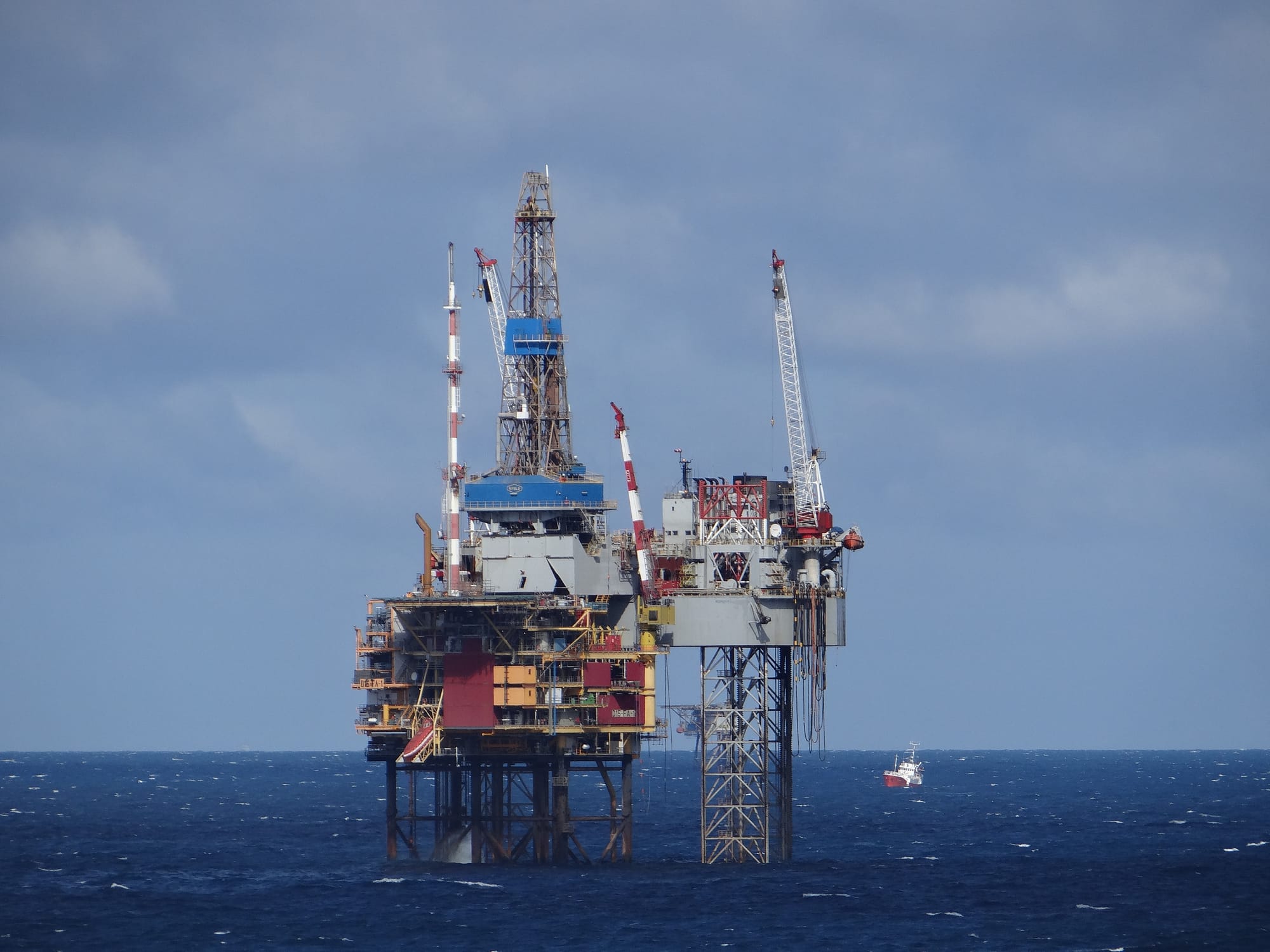
Unsurprisingly, energy companies are not fans of the EPL. Offshore Energies UK (OEUK), a trade association for the UK’s offshore energy industry, said in late 2025 that failing to scrap the EPL this year would scare off £50 billion worth of investments by energy companies who are forced to seek better economics elsewhere.
This month, reports emerged that BP was planning to exit the North Sea entirely as it seeks to pay down its debts and strengthen its balance sheet – deeming the UK’s high tax burden as unlikely to disappear any time soon given the war in Iran. The UK oil giant’s new CEO Meg O’Neill has said new windfall taxes would be a “highly flawed response” to the conflict.
To be clear, neither Reform nor the Conservatives are claiming that higher North Sea oil and gas revenues would be directly funnelled into consumers’ energy bills.
Badenoch has called for the EPL to be scrapped. This, she says, would stimulate domestic oil and gas production to such an extent that the resulting tax revenues could cover the cost of suspending VAT and revoking various green levies – her preferred cost-of-living scapegoats – from consumers’ energy bills.

But there are a few problems with this.
First, it’s not as if the UK has a Saudi Arabia-esque future of lavish oil riches that it is just choosing to ignore. Estimates show that we have already drained 93% of all oil and gas that the North Sea is likely to produce.
Badenoch’s “drill, baby, drill” pledge seems to rely on the assumption that energy companies are chomping at the bit for vast North Sea resources, and regulatory barriers are the only things standing in their way.
Dr. Ajay Gambhir, Senior Research Fellow at Imperial and one of the architects of the 2008 UK Climate Change Act, is not sure about this reasoning. “The EPL undeniably reduces the attractiveness of investments for North Sea oil and gas companies, but it’s not straightforward to say whether those investments would be attractive without the levy,” he told Felix.
The roughly 218 million tonnes of remaining oil that is recoverable by 2050 is obviously more than a trickle, but these residual reserves are much harder – and therefore more expensive – to get to. These might not be the most appealing projects for energy companies seeking better margins.
Furthermore, drilling today will not save us from today’s crisis and prices – especially in the case of new permits. If a new license for exploration was granted tomorrow, estimates show that it would take 28 years on average for it to yield new fossil fuel energy. Rosebank and Jackdaw – two existing fields pending regulatory approval, and thus more readily accessible sources of supply – would together only replace around 3% of the UK’s gas imports.
Crucially, whether today or in 28 years’ time, more domestic drilling would not make a dent in consumers’ energy prices because oil and gas is sold on international markets. As summarised in a recent report by Frontier Economics, “domestic producers have no reason to sell materially below a price that could be achieved internationally, because to do so would simply mean giving up revenue.”
At this point we can safely say that North Sea drilling is not the answer to today’s cost of living crisis. But what about the long-term energy security argument?
This is where more North Sea drilling could be beneficial to an extent. Reducing dependence on imports could help to cushion the UK economy against future shocks – keeping in mind that a meaningful sum of imports would still be required to meet demand.
But another – arguably easier – energy security solution has been staring us in the face for decades: storage. The UK has approximately 12 days’ worth of gas reserves to draw upon in case of emergency, compared to 90 days in Germany and 120 in the Netherlands.
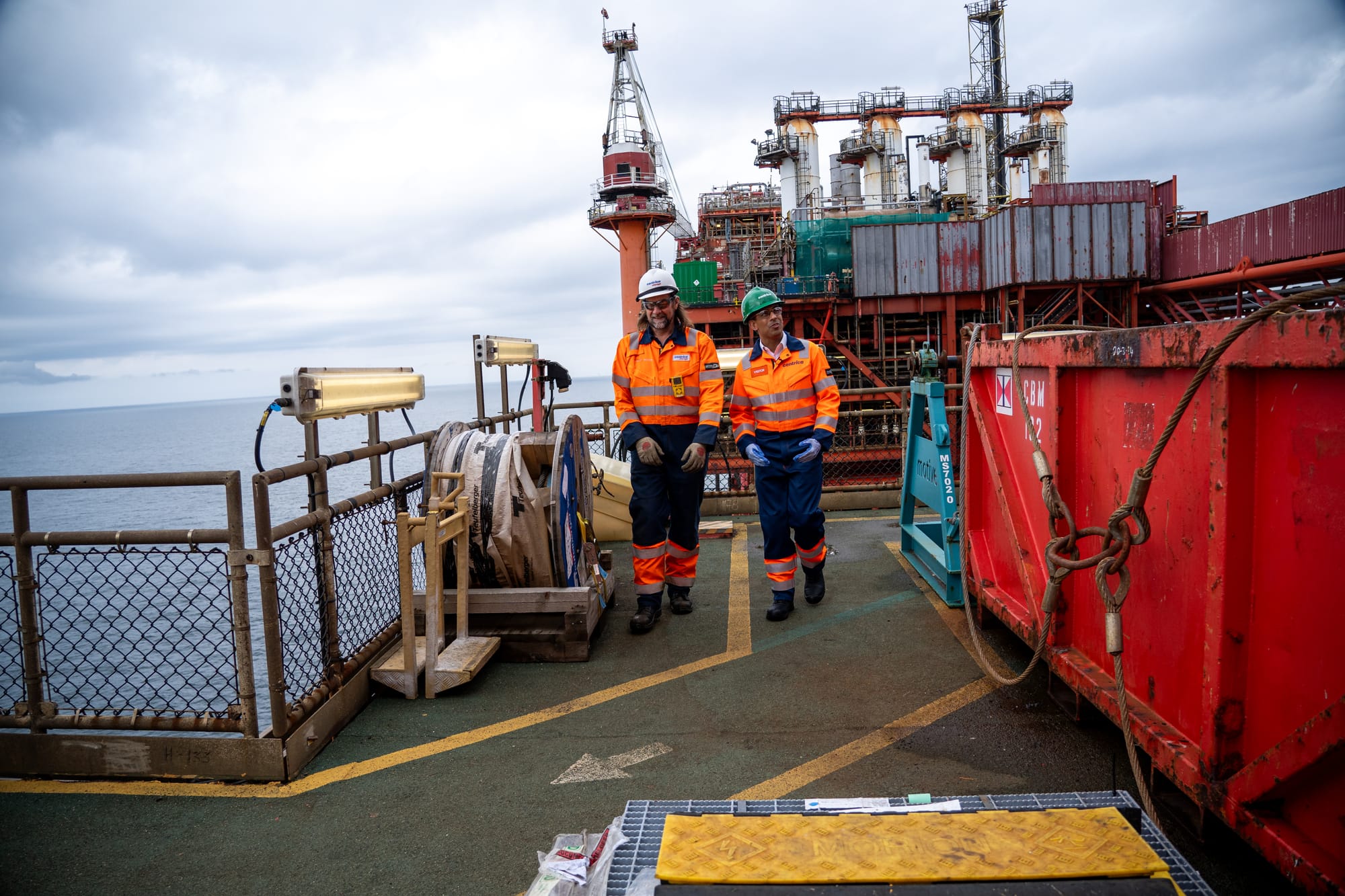
In 2017, it closed the Rough facility off the coast of East Yorkshire, which accounts for half of the country’s total gas storage capacity. Rough was partly reopened in 2022 in response to Russia’s invasion of Ukraine, but calls for its expansion by its owner Centrica have so far fallen on deaf ears. Without help from the government to make this investment, Centrica says it would be forced to decommission the site entirely.
“I would have thought that the Ukraine-Russia war would have been a great lesson for the UK to really invest in storage facilities,” says Dr. Salvador Acha Izquierdo, Senior Research Fellow in Energy Systems & Net Zero at Imperial College London. So far, however, he says the country has been “complacent” on building a reliable supply buffer.
Badenoch and Farage’s silence on the issue of gas storage is a revealing misstep – it suggests that the party leaders might be more focused on appealing to voters’ near-term cost of living concerns with flawed logic rather than exploring all possible avenues for long-term energy security.