Imperial prepares for more defence contributions
Echoing his March address, President Brady said College policies would be reviewed to face “expectation” to take part in national defence.

Imperial College President Hugh Brady said the College was set to review its policies and plans regarding defence research, as conflicts around the world bring security matters back at the forefront of governmental agendas.
“There is an expectation, given the changing nature of warfare, that Imperial, given its profile, would play its full role in security and defence efforts,” Brady said during the May “In Conversation” presentation, echoing remarks from his President’s address in early March. In an email sent to staff this week, he also highlighted “the increasing importance of deep tech in this area.”
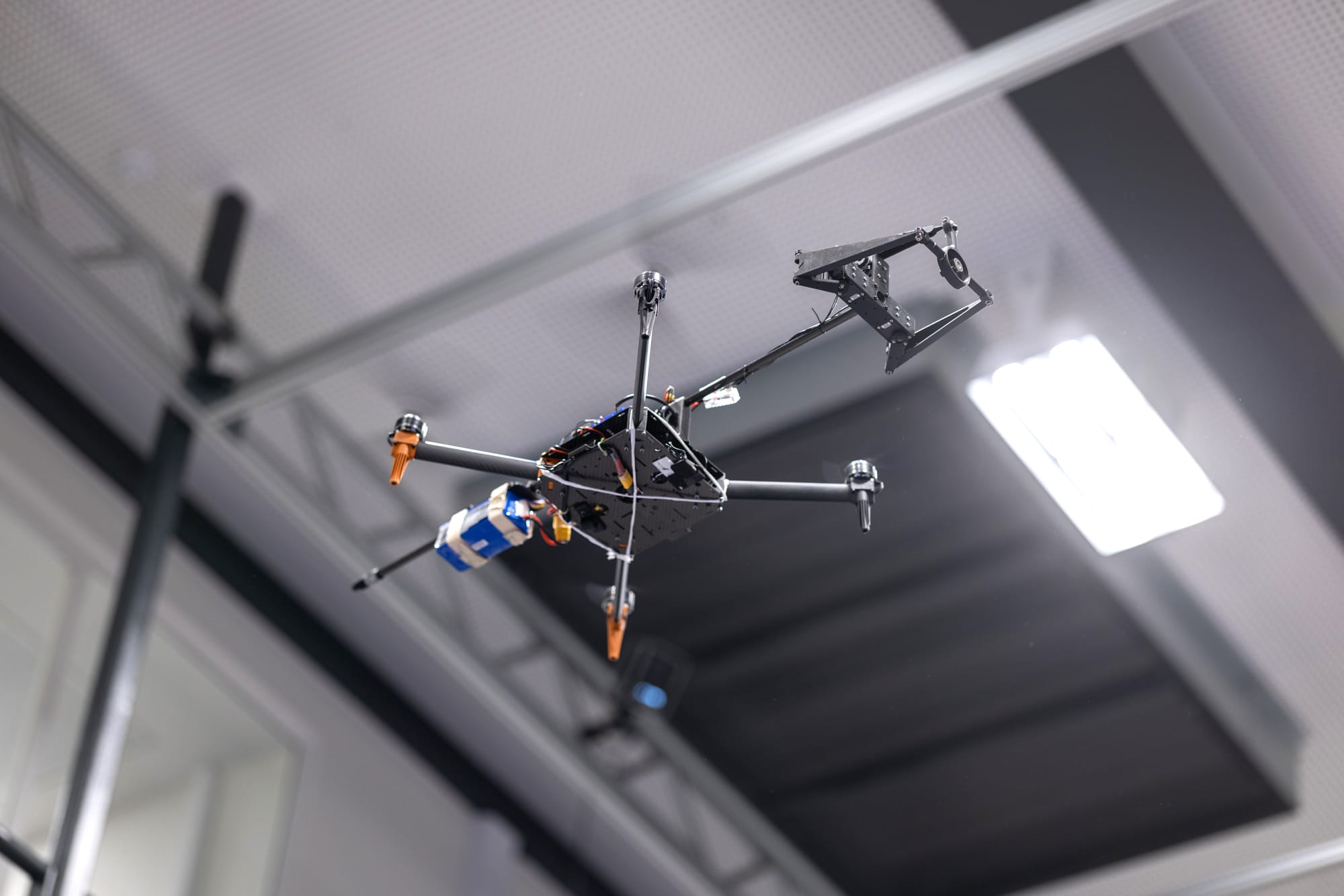
Certain areas of research at Imperial, including autonomous drone development, nuclear technology, and artificial intelligence (AI) and quantum computing research are considered “dual use”, meaning they can be used for both civilian and military applications.
Drones are now an essential technology in the ongoing Russia-Ukraine war, with reports of territory now being captured by unmanned platforms alone. This year’s Iran war also highlighted the usefulness of AI tools to quicky process large amounts of military data, which enabled soldiers to identify and strike targets.
“We’ve always taken a very sensible approach to dual use,” Brady explained, “We’ve always recognised that many of the research areas that we’re exploring could be used for both good, but also in the wrong hands, for bad. We don’t have classified research facilities on our campus, but we have colleagues who do work with government and other agencies on defence.”
The president said discussions around Imperial’s policies, procedures and guardrails were taking place, with “a wider institutional conversation” expected in the coming months.
Imperial has also applied to become one of the 20 founding members of the Defence Universities Alliance (DUA), a network of UK universities whose creation was announced earlier this year by the government. The DUA aims to support military research and ensure that enough students graduate with skills required for careers in security.