What we lose when we win
A look at what Maduro’s capture reveals about American democracy
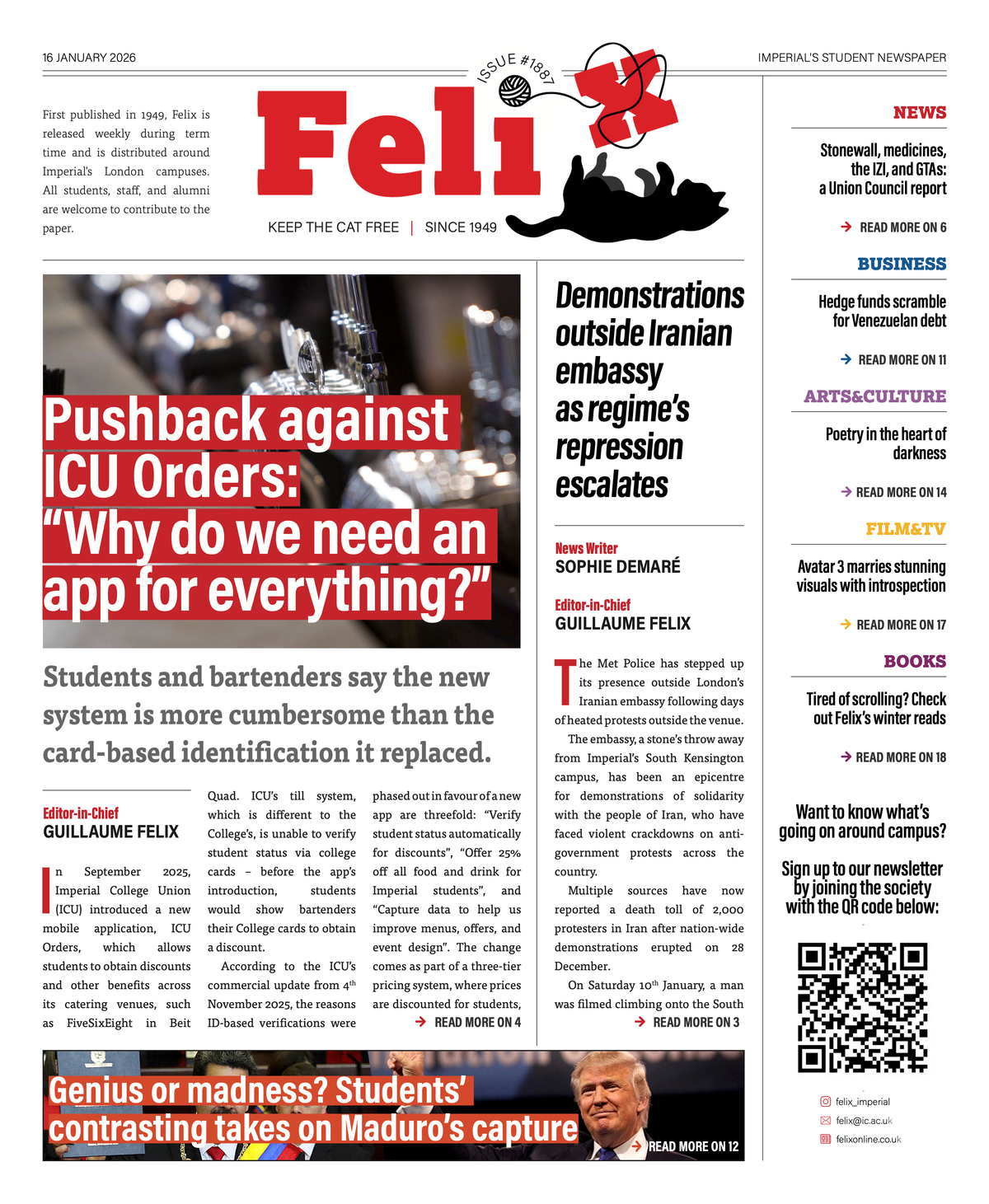
Last week, the United States carried out an operation in Venezuela that resulted in the capture and removal from power of Nicolás Maduro, the country's president, who is now in US custody and will face justice for his crimes. Whatever one thinks of American intervention overseas, the Maduro regime’s record of repression, misrule, and corruption created a humanitarian catastrophe – first for Venezuela, and increasingly for the region. Years of inaction by the international community allowed this crisis to spiral into the security challenge it ultimately became. However, the brazen way the operation was carried out, and the broader context in which it occurred, raise serious concerns about the integrity of the rules-based international order and America’s slide into autocracy.
From America’s perspective, the strategic rationale for action is valid and clear. The Venezuelan people deserve better than a regime that crushes dissent, hollows out institutions, and sustains itself through shady energy deals and illicit activity. Maduro stole Venezuela’s wealth and used it to line his pockets and those of his inner circle. Venezuela also chose to enable malign influence from Russia, China, and Iran – rogue states that have demonstrated little interest in regional stability in the Americas and every interest in undermining established international laws. Their presence and activities are threats to our national security, and the United States will not tolerate such influence in our neighbourhood. Despite being offered multiple offers by the United States, Maduro continued to engage with them and was complicit in their activities.
However, even when the objective is defensible, the process matters. The President is not an emperor; his power is constrained by two coequal branches of government. Our Constitution deliberately divides war powers between Congress and the executive, and Congress has enacted statutes to limit unilateral uses of force. The War Powers Resolution directs the President to consult Congress “in every possible instance” before committing American forces into conflicts overseas, which he did not do.
The danger is not the removal of Maduro per se, but the precedent set if executive authority is stretched beyond its legal and constitutional limits. That concern extends beyond the operation itself to what follows it: history teaches us that the collapse of an authoritarian regime with no clear political roadmap creates a power vacuum that empowers the very forces such interventions are meant to displace. Avoiding this requires a strong commitment to a Venezuelan-led democratic process, including credible elections that produce a legitimate government capable of representing the will of the Venezuelan people. Currently, there appears to be no plan for what comes next, and the Maduro regime endures, albeit with Delcy Rodríguez as president.
Equally troubling is the broader political context in which this operation took place. The President is acting recklessly on the global stage, signalling his contempt and disregard for international law and long-standing norms, including toward alliances and multilateral institutions that the United States has helped to build and sustain. America’s credibility is being weakened by strained relations with our allies and NATO is facing an existential crisis without American leadership. The administration is floating plans to invade the territory of some of our closest allies, Denmark and Canada, which would have been unthinkable under any other administration.
Domestically, the administration is testing the boundaries of our civil liberties and is pressuring academic, legal, and civic institutions that have traditionally served as bulwarks against executive overreach. Federal law enforcement agencies have been weaponised to carry out the will of the President in a way that is unprecedented in American history.
Against this backdrop, Maduro’s capture was carried out without informing our allies in the Americas, without any effort to secure international authorisation through a Security Council mandate, and without prior consultation with Congress. This context complicates any assessment of the operation’s strategic benefits: under a different set of circumstances, where our government was genuinely committed to championing democracy and abiding by the constitution and international norms, it might be easier to accept that foreign policy often requires messy, difficult solutions rather than clean, tidy victories. In this case, however, it is clear that the President believes he can act with impunity and face no consequences.